
Understanding the Data Behind Pennsylvania Truck Crashes
Key Takeaways: A truck black box, formally known as an event data recorder (EDR), captures critical technical information in the seconds before, during, and after a collision, including speed, braking, steering inputs, and restraint status. This automatically generated data carries strong credibility and is used in NHTSA’s crash investigation databases. In Pennsylvania truck cases, this objective evidence can prove negligence, establish speed, and allocate fault among multiple defendants. EDRs differ from electronic logging devices (ELDs), which track hours of service and must be retained for only six months. Because retention windows are short and trucks are often quickly repaired or returned to service, prompt action and formal preservation requests are essential for securing this evidence.
A truck black box is the everyday name for an event data recorder, a device that captures critical technical information in the moments surrounding a collision. When a tractor-trailer crashes on a Pennsylvania highway, the truck itself often holds the most honest account of what happened. The EDR records technical information for a brief period before, during, and after a collision, aiding in post-crash analysis and reconstruction. For an injured victim, that data can mean the difference between a denied claim and fair recovery.
If you or a loved one was hurt in a commercial truck collision, acting quickly to preserve this evidence is essential. The team at The Injury Pros helps crash victims protect black box data and pursue fair compensation. Call us at 215-642-2335 or reach out through our secure contact page to discuss your options today.

What Is a Truck Black Box and Why It Matters
A truck black box is a recording device built into modern commercial vehicles that documents how the truck behaved right before impact. NHTSA defines an EDR as a device installed in a motor vehicle to record technical vehicle and occupant information for a brief period, seconds, not minutes, before, during and after a crash. This differs from dash cameras or driver logs. NHTSA’s definition excludes devices that make audio or video records or log hours of service data.
Understanding what is a truck black box helps explain why this evidence is so valuable. The data is generated automatically, without human editing, giving it strong credibility in disputes. NHTSA has used EDRs to support its crash investigation program for years, routinely incorporating EDR data into its crash databases. When an agency relies on a data source for its own safety research, that source carries weight in court.
💡 Pro Tip: A truck involved in a serious crash may be repaired, sold, or returned to service within weeks. The sooner you identify the vehicle and request data preservation, the better your chances of securing reliable black box evidence.
The Data a Truck Black Box Records
Event data recorders capture several categories of information that paint a detailed picture of a crash. According to federal guidance, EDRs may record pre-crash vehicle dynamics and system status, driver inputs, vehicle crash signature, restraint usage and deployment status, and post-crash data such as automatic collision notification activation. Each category reveals a different piece of the liability puzzle.
For a Pennsylvania truck accident claim, the most useful categories include:
- Pre-crash speed and braking, showing whether the driver slowed in time
- Steering and throttle inputs, indicating evasive action or distraction
- Restraint and deployment status, documenting the force of impact
- Post-crash notification data, establishing the timeline of the event
This is where the device becomes powerful as event data recorder truck accident evidence. NHTSA’s December 2024 final rule extends the EDR recording period for timed data metrics from 5 seconds of pre-crash data at 2 Hz to 20 seconds at 10 Hz. More data points across a longer window give crash reconstruction professionals far more to work with.
💡 Pro Tip: Black box data alone rarely wins a case. It works best when paired with police reports, witness statements, and maintenance records. You can review how to obtain a crash report after an accident in Quakertown to start building that broader evidence file.
Federal Rules Governing Truck Black Boxes and ELDs
Federal law shapes which vehicles carry recording devices and how long associated data must be kept. In 2000, NHTSA sponsored a working group examining EDRs for trucks, school buses, and motor coaches based on 1999 NTSB safety recommendations. The 2024 update responds to the Fixing America’s Surface Transportation Act (FAST Act) mandate to establish appropriate recording periods.
It helps to distinguish between two separate data systems. The EDR captures crash dynamics, while the electronic logging device (ELD) tracks driving hours. You can learn more through the National Highway Traffic Safety Administration’s event data recorder overview and the 2024 EDR final rule published in the Federal Register.
Scope of the EDR Regulation
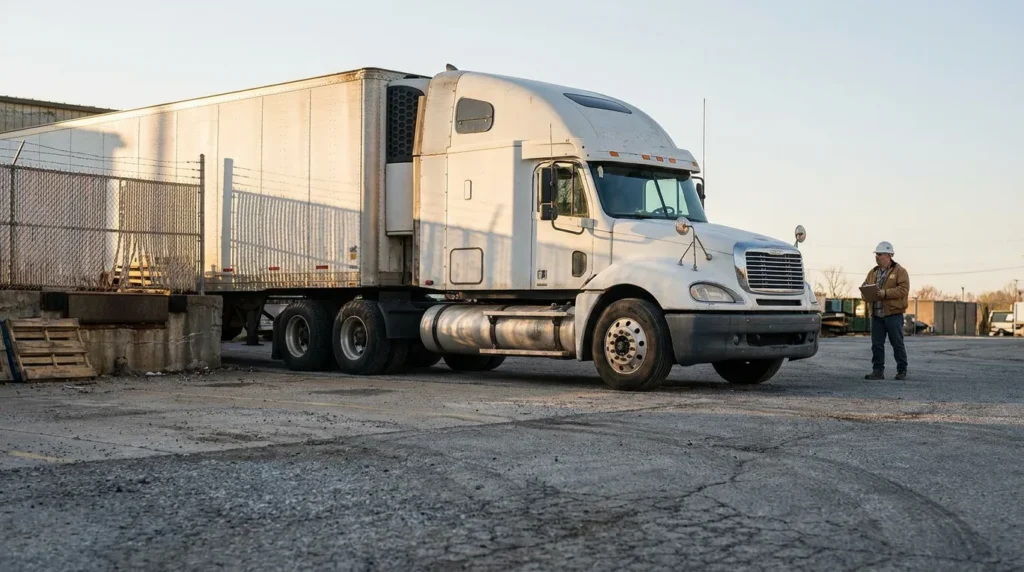
Not every vehicle falls under the same rule, so the governing regulation matters. Under 49 CFR Part 563, the standard applies to passenger cars, multipurpose passenger vehicles, trucks, and buses with a GVWR of 8,500 pounds or less and an unloaded vehicle weight of 5,500 pounds or less, manufactured on or after September 1, 2012, that are voluntarily equipped with an EDR. Federal law does not require manufacturers to install EDRs, but any installed EDR must meet Part 563’s requirements. Many large tractor-trailers exceed that weight threshold but frequently carry engine control module systems that record similar data. This is why truck ECM data Pennsylvania investigations often look beyond Part 563 to the truck’s engine electronics.
How Long the Records Survive
Data retention windows are short, making timing critical in any EDR truck crash Pennsylvania matter. For driving logs, the rules are explicit: a motor carrier must retain ELD record of duty status data and back-up data for six months. That window can close before a victim even finishes initial medical treatment, so prompt legal action protects access to records.
How Black Box Evidence Strengthens a PA Truck Case
Black box evidence in a truck case can establish negligence with objective, hard-to-dispute numbers. NHTSA notes that EDRs can impact highway safety by assisting in real-world data collection, aiding law enforcement, and understanding specific crash aspects. In civil claims, that precision helps prove speed and whether the driver attempted to stop.
These cases frequently involve multiple potential defendants. Thorough investigation backed by truck ECM data may help allocate fault among the driver, trucking company, cargo loader, maintenance contractor, or parts manufacturer. Under certain circumstances, the data may support claims involving hours-of-service violations when paired with ELD records. If you are weighing a black box truck collision claim, working with a knowledgeable truck accident lawyer PA can help you understand how evidence fits Pennsylvania negligence principles.
💡 Pro Tip: Pennsylvania follows modified comparative negligence, which can reduce or bar recovery if your fault share is too high. Objective black box data can help counter insurer attempts to shift blame onto the injured party.
Preserving the Evidence Before It Disappears
The single greatest risk to black box evidence is delay, because data can be overwritten, lost, or destroyed. Trucks are valuable business assets, and carriers may return them to service quickly. A formal preservation request, sometimes called a spoliation letter, can put a trucking company on notice that EDR and ELD data must be kept intact.
ELD privacy rules add another layer. ELD data is protected under anti-harassment provisions, and FMCSA will not retain any ELD data unless there is a violation. Because the agency does not warehouse this information broadly, the carrier’s own six-month records often become the key source, reinforcing why a black box evidence truck case demands fast action.
When Exemptions Apply
Some drivers are not required to use electronic logging devices, which can affect what records exist. Federal rules list several carve-outs: limited exemptions exist for short-haul drivers, those using paper records of duty status for 8 or fewer days per 30-day period, drive-away-tow-away operations, and drivers of vehicles manufactured before 2000. When an exemption applies, your case may rely more heavily on EDR or ECM data and other commercial truck crash evidence rather than electronic logs.
| Data Source | What It Captures | Typical Retention |
|---|---|---|
| EDR / Black Box | Speed, braking, steering, restraint status | Varies; tied to the vehicle |
| ELD | Hours of service and duty status | Six months by the carrier |
| Engine Control Module | Engine and performance data | Varies; tied to the vehicle |
Frequently Asked Questions
-
What is a truck black box in simple terms?
It is an event data recorder that documents technical details around a crash. It captures information like speed, braking, and restraint status in the seconds surrounding impact, without recording audio or video.
-
How quickly should I act to preserve truck black box PA evidence?
As soon as possible, ideally within days of the crash. Because carriers must keep ELD data for only six months and may repair or sell the truck sooner, early preservation requests protect data access.
-
Can black box data be used against me?
Yes, the data is neutral and can support either side. An injured person benefits from securing and interpreting the data early, so the full context is understood rather than single cherry-picked figures.
-
Does every commercial truck have an electronic logging device?
Most do, but not all. ELDs are federally required for many drivers who must keep hours-of-service records, while short-haul drivers and pre-2000 vehicles fall under limited exemptions.
-
Who can request the data after a crash?
Generally, an attorney acting on your behalf can send a preservation demand and pursue the data in litigation. Outcomes depend on specific facts, the vehicle involved, and how promptly the request is made.
Protecting Your Right to the Truth
A truck black box can turn a he-said, she-said dispute into a fact-driven claim grounded in objective data. From pre-crash speed to braking inputs, this technology often holds the answers that injured Pennsylvanians need to establish liability and pursue fair compensation. The challenge is that data is fragile and retention windows are short, so the window to act is narrow. Securing this evidence early, and pairing it with police reports and maintenance records, gives your truck accident claim PA its strongest possible foundation.
If a commercial truck collision has upended your life, do not wait for critical evidence to disappear. Contact The Injury Pros today by calling 215-642-2335 or by reaching out through our online case review form so we can help you preserve the data and protect your rights.