
Why the First Letter After a Truck Crash May Matter More Than the Lawsuit Itself
Key Takeaways: A spoliation letter is a formal notice demanding that a trucking company, its insurer, and related parties preserve all evidence from a Pennsylvania truck crash, including ELD data, hours-of-service records, maintenance files, dashcam footage, dispatch records, and the truck itself. It matters because most evidence is electronic and may be lawfully destroyed on short retention schedules; federal rules require carriers to keep records of duty status for only six months. The letter documents that litigation is reasonably foreseeable, which courts weigh when deciding whether a preservation duty existed. Pennsylvania courts consider fault, prejudice, and the availability of lesser sanctions when evaluating spoliation claims.
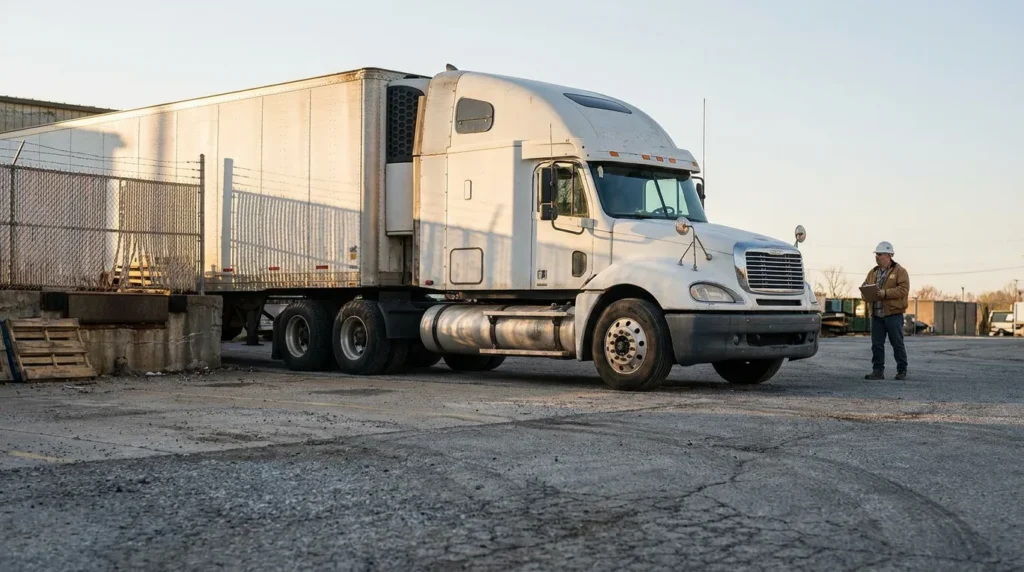
A spoliation letter is a formal notice sent to a trucking company, its insurer, and related parties, demanding preservation of all crash evidence. In Pennsylvania truck accident cases, that notice typically covers electronic logging device data, driver hours-of-service records, maintenance files, dashcam footage, dispatch communications, and the truck itself. The letter matters because much of this evidence is electronic, routinely overwritten, and lawfully destroyed on short retention schedules. Sending it early creates a documented legal hold and puts the carrier on notice that destroying relevant materials could expose it to court sanctions.
If you or a loved one was seriously injured in a collision with a commercial truck, evidence may already be at risk. The team at The Injury Pros can move quickly to issue preservation demands and investigate liability. Call 215-642-2335 or contact us now to discuss your situation.
Understanding the Spoliation Letter Definition Under Pennsylvania Law
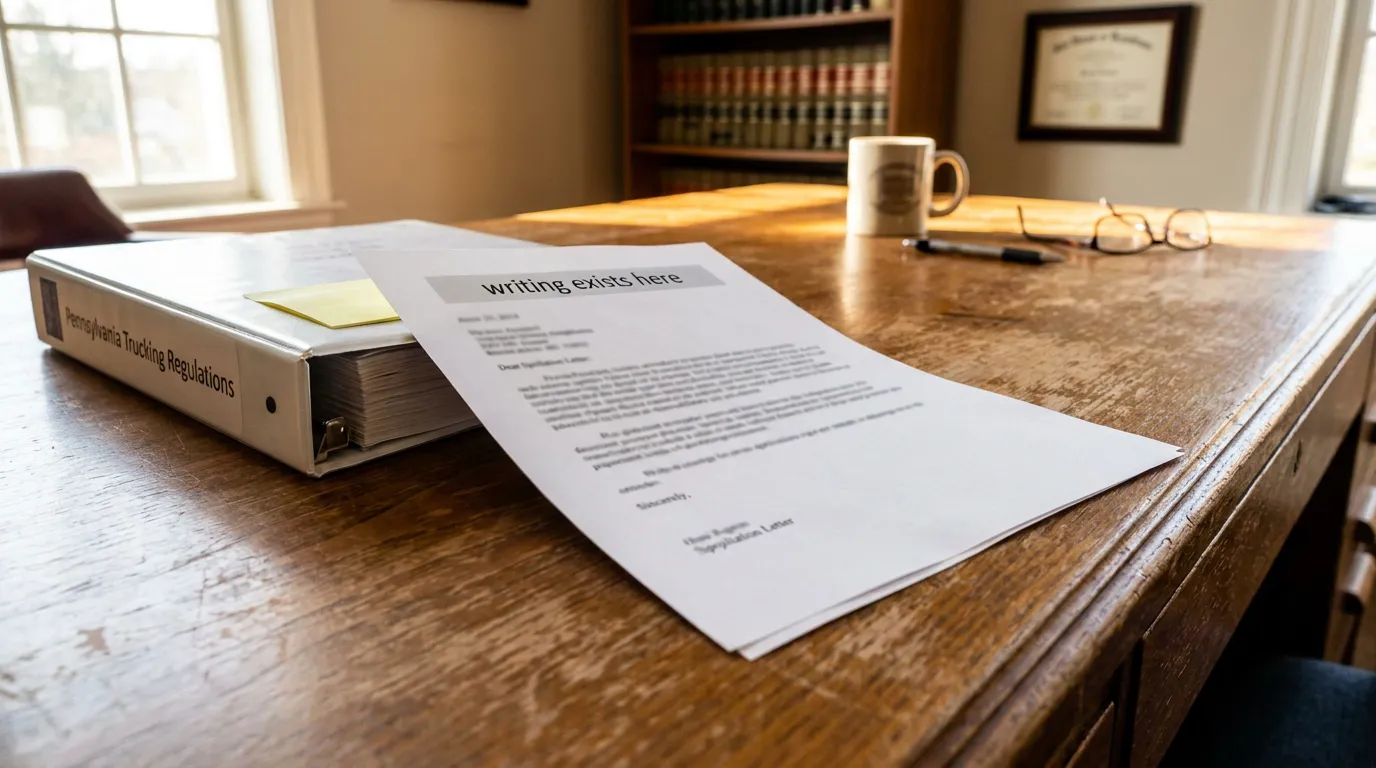
Spoliation, under Pennsylvania law, generally refers to the destruction, loss, or significant alteration of evidence relevant to pending or reasonably foreseeable litigation. Pennsylvania courts may impose evidentiary or other sanctions on a party responsible for that loss, which is why plaintiffs’ attorneys send preservation demands before suit is filed. Pennsylvania does not recognize an independent tort claim for negligent spoliation, so the remedy generally comes as sanctions within the underlying case. Legal scholarship analyzing spoliation of evidence in Pennsylvania explains that the doctrine exists to protect the fact-finding process and remedy prejudice.
A spoliation letter does not itself create a lawsuit, and it is not a court order. It functions as documented notice that litigation is reasonably foreseeable, which is often a threshold question when a court later evaluates whether a party had a duty to preserve. Whether sanctions follow depends on the timing of the notice, the reasonableness of the request, and what the carrier did after receiving it.
Why ELD and Hours-of-Service Data Sit at the Center of a Spoliation Letter Truck Accident Strategy
Federal law requires most commercial truck and bus drivers who must keep records of duty status to use electronic logging devices. The Federal Motor Carrier Safety Administration published this rule in December 2015, with full compliance phased in by December 2019. Exceptions remain for short-haul drivers who qualify for the records-of-duty-status exemption and vehicles with engines older than model year 2000. ELDs made driver time data far more verifiable, which is why preserving it can be decisive in a PA truck crash claim.
An ELD is integrally synchronized with a vehicle’s engine to capture whether the engine is running, whether the vehicle is moving, miles driven, and duration of engine operation. That automatic capture produces a timeline that can corroborate or contradict a driver’s account of hours worked before a collision. Combined with dispatch records and fuel receipts, this data may support a theory that fatigue or schedule pressure contributed to the crash.
The Six-Month Retention Window Creates Real Urgency
Under 49 CFR 395.8(k)(1), motor carriers generally must retain records of duty status and supporting documents for six months from the date of receipt. The FMCSA has explained that a motor carrier must retain ELD records of duty status and back-up data for six months. After that window closes, routine destruction may be entirely lawful, unless a preservation duty has been triggered by pending or anticipated litigation.
The regulations also require carriers to maintain a back-up copy of ELD records on a device separate from where original data are stored. A well-drafted evidence preservation demand should reach all data sources rather than just the primary system.
What a Thorough Evidence Preservation Letter in Pennsylvania Typically Requests
A strong trucking company notice letter goes well beyond the driver’s logs. Because commercial vehicle litigation often involves several potential defendants, the demand generally identifies categories of records held by the carrier, the broker, the maintenance contractor, and sometimes the shipper.
Commonly requested categories include:
- ELD and hours-of-service records, including back-up copies
- Engine control module and event data recorder downloads
- Driver qualification files, training records, and drug and alcohol testing results
- Inspection, repair, and maintenance history for the tractor and trailer
- Dispatch instructions, bills of lading, and cargo loading documentation
- Dashcam, telematics, and any onboard camera footage
- The tractor, trailer, and cargo in their post-crash condition
The letter should also request that the vehicle not be repaired, sold, or released before an inspection. Physical evidence can disappear as quickly as digital records once a carrier’s insurer authorizes salvage, and a recipient’s failure to honor a reasonable request may later bear on the fault analysis. Knowing how to get a crash report can give your legal team a factual foundation for drafting a targeted demand.
💡 Pro Tip: Send preservation demands to every entity whose name appears on the truck, the trailer, and the cargo paperwork. Ownership, leasing, and operating authority are frequently split among different companies.
How Pennsylvania Courts Evaluate Spoliation Claims
Pennsylvania courts generally weigh three factors when deciding whether to impose spoliation sanctions. Under the Pennsylvania Supreme Court’s decision in Schroeder v. Commonwealth, Department of Transportation, 551 Pa. 243, 710 A.2d 23 (1998), which adopted the framework from the Third Circuit in Schmid v. Milwaukee Electric Tool Corp., courts consider the degree of fault of the party who lost or destroyed the evidence, the degree of prejudice suffered by the opposing party, and the availability of a lesser sanction. Cases filed in or removed to federal court are governed by Federal Rule of Civil Procedure 37(e) for electronically stored information, which requires a finding of intent to deprive before the harshest measures may be imposed.
Sanctions are discretionary, fact-dependent, and not guaranteed. A court might find that a carrier’s routine document purge, conducted in good faith before any notice of a claim, involved little fault and warranted no remedy. That distinction is exactly why a timely evidence preservation letter in Pennsylvania can matter so much.
The Range of Available Sanctions
| Sanction | General Nature | When Courts May Consider It |
|---|---|---|
| Adverse inference instruction | Jury may infer the lost evidence was unfavorable | A common remedy in Pennsylvania spoliation disputes |
| Exclusion of evidence | Bars the offending party from using related proof | Where reliance on partial records would be unfair |
| Monetary penalties | Costs or fees tied to the loss | Where prejudice is real but a lesser remedy suffices |
| Dismissal or judgment | Case-ending relief | Reserved for severe cases involving substantial fault and prejudice |
Because courts generally favor the least severe sanction that addresses the prejudice, dismissal or entry of judgment is uncommon. Pennsylvania litigants who establish spoliation more often receive an adverse inference instruction than case-ending relief. Outcomes vary based on what was lost, why it was lost, the culpability involved, and whether comparable proof remains available.
Common Challenges Injured Claimants Face
Timing is the most frequent obstacle. Many people spend the first weeks after a serious crash in medical treatment, and by the time they consult counsel, dashcam footage may have looped over and telematics data may have aged out. The trucking company’s rapid-response team has often already inspected the scene, photographed the vehicles, and interviewed witnesses.
Scope is the second challenge. A vague or generic demand may not put the carrier on notice of specific categories of data, weakening a later argument about fault. Working with a truck accident lawyer Pennsylvania claimants trust can help make the demand specific enough to be meaningful without sweeping in materials a court would not require a carrier to keep.
💡 Pro Tip: Preserve your own evidence too. Photographs, medical records, damaged clothing, and the vehicle you were traveling in can all become relevant Pennsylvania injury evidence.
Frequently Asked Questions
1. When should a spoliation letter be sent after a truck crash?
Generally, as soon as practicable after the collision. Because federal rules require retention of ELD hours-of-service data for only six months, waiting can mean losing records that are central to proving fatigue or scheduling violations. Earlier notice strengthens the argument that litigation was reasonably foreseeable.
2. Does a spoliation letter force a trucking company to keep evidence?
A letter is not a court order, but it can carry real consequences. It documents that the carrier was on notice, which courts may consider when weighing fault. If the recipient ignores it and destroys relevant materials, sanctions may become available.
3. Can a legal hold in a truck crash reach companies other than the carrier?
In many cases, yes. Brokers, maintenance vendors, cargo loaders, and parts manufacturers may each hold relevant records. Whether a preservation duty attaches depends on the entity’s relationship to the crash and its reasonable anticipation of litigation.
4. What happens if evidence was already destroyed before I hired an attorney?
Your claim is not necessarily lost. Investigators can often reconstruct events using police records, third-party surveillance, roadside inspection reports, and comparable data sources. Courts may also consider whether the destruction occurred after any duty to preserve arose.
5. Is an adverse inference instruction the same as winning the case?
No. An adverse inference permits, but does not require, a jury to conclude that missing evidence would have been unfavorable to the party that lost it. Liability and damages still depend on the full evidentiary record.
Protecting Your Claim Before the Records Disappear
A spoliation letter truck accident notice is one of the earliest and most consequential steps in a commercial vehicle claim. It can support a legal hold, identify the specific electronic and physical evidence at issue, and position an injured claimant to seek a remedy if that evidence later vanishes. Given the six-month federal retention period for ELD data and the speed with which carriers investigate their own crashes, delay carries real risk.
If a commercial truck collision has upended your life, the attorneys at The Injury Pros are prepared to act quickly to preserve trucking evidence and pursue accountability. Call 215-642-2335 or request a free consultation today.
Disclaimer: This content is for informational purposes only and is not legal advice. Every case is unique, and results may vary. Consult an attorney about your specific circumstances.