
Pennsylvania’s Concussion Law for Student Athletes, Explained
Key Takeaways: Pennsylvania’s Safety in Youth Sports Act (Act 101, 2011) sets minimum standards for identifying, responding to, and managing concussions in student athletes. It applies to school entities under the Public School Code, including public schools, districts, and PIAA-member private schools, while independent leagues are encouraged to follow the guidance. The law requires immediate removal from play when symptoms appear, written medical clearance before returning, and annual concussion training for coaches. School governing bodies must impose escalating penalties for violations, up to permanent coaching removal. A statutory violation doesn’t automatically create a civil claim, which requires proof of duty, breach, causation, and damages. Against public school districts, governmental immunity and six-month written notice requirements can sharply limit legal options.
Pennsylvania’s Safety in Youth Sports Act, enacted in 2011 as Act 101, establishes minimum standards for managing concussions and traumatic brain injuries in student athletes. The statute assigns duties to the Departments of Health and Education, imposes penalties, and places binding obligations on Pennsylvania school entities and their coaches.
If your child suffered a head injury during a school sport and removal-from-play or return-to-play rules were ignored, The Injury Pros can review what happened. Call 215-642-2335 or contact our team now to discuss your options with a Pennsylvania traumatic brain injury attorney.
Why Pennsylvania Passed a Youth Concussion Law
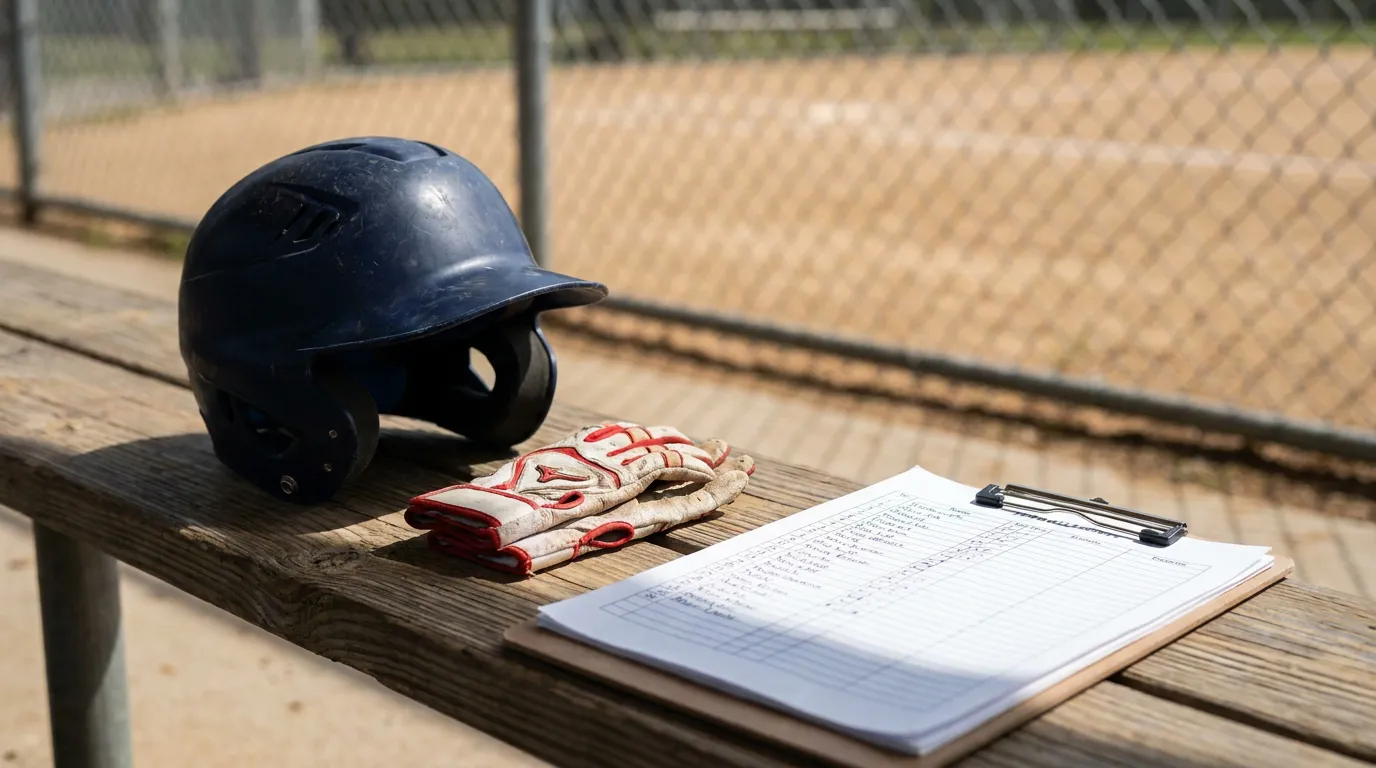
Concussions in youth sports were long treated as minor bumps, causing real harm. Before Act 101, no uniform rule required benching symptomatic players, and return-to-field decisions were often made on the sideline in seconds. Pennsylvania joined a nationwide wave of concussion legislation to remove that judgment call from untrained hands.
The law reflects medical reality: a second impact before the brain heals can produce catastrophic, sometimes permanent consequences. That risk is why the statute centers on immediate removal and medically supervised return.
The law’s protective purpose doesn’t create a personal injury claim. The Act contains no express private right of action, and civil cases still depend on proving duty, breach, causation, and damages under Pennsylvania tort principles. However, a documented violation may be relevant evidence of failure to exercise reasonable care.
Understanding the Pennsylvania Safety in Youth Sports Act and Its Core Protections
The Pennsylvania Safety in Youth Sports Act imposes three interlocking duties. First, coaches must remove any student athlete exhibiting concussion or traumatic brain injury signs or symptoms. Second, athletes cannot return until an appropriate medical professional evaluates and clears them in writing. Third, coaches must complete concussion management training each school year.
The Pennsylvania Department of Health’s concussion management guidance confirms these minimum standards. School districts may adopt stricter protocols.
Removal From Play Is Immediate, Not Discretionary
Once a student athlete exhibits concussion or traumatic brain injury signs during athletic activity, coaches must remove them immediately. The trigger is symptom appearance, not confirmed diagnosis. Coaches need not diagnose brain injuries but must recognize warning signs and act.
Symptoms like confusion, headache, dizziness, light sensitivity, or delayed responses often appear minutes or hours after impact. A player who "shook it off" may still have sustained a serious injury requiring evaluation.
Return to Play Requires Written Medical Clearance
Removed athletes cannot participate until evaluated by an appropriate medical professional, a licensed physician trained in concussion evaluation and management, or certain other qualified licensed health care professionals, and until that professional provides written clearance. School districts also apply graduated return-to-play protocols. Verbal reassurance from parents, coaches, or trainers doesn’t satisfy the statute, and completing a concussion course doesn’t authorize coaches to make return-to-play decisions.
Graduated protocols typically move athletes through progressive exertion stages with symptom monitoring. Documentation can become central evidence in claims, so families should request copies of clearance forms and incident reports.
Coaches Must Be Trained Before They Coach
Each school year, coaches must complete concussion management certification training from the CDC, National Federation of State High School Associations, or Pennsylvania Department of Health-approved providers. Coaches cannot coach until completing this course, a requirement reaching head coaches, assistants, and volunteers.
Training records may be discoverable. Whether a coach who allowed a symptomatic child to continue playing completed required training can become a meaningful factual question.
Who the Statute Actually Covers, and Who It Does Not
The Act addresses Pennsylvania school entities, their personnel, and defines who may medically clear athletes. Its reach centers on athletic activities sponsored by or associated with school entities, including interscholastic athletics, cheerleading, club-sponsored and school-affiliated sports, practices, and scrimmages. "School entity" generally covers public schools and districts plus PIAA-member nonpublic and private schools.
Youth athletic activities not addressed by the Act are encouraged to follow its guidance. Encouragement isn’t mandate, so recreational league failures are generally analyzed under general negligence principles.
| Setting | Statutory Duties Apply | Practical Effect |
|---|---|---|
| Public school interscholastic sports | Yes | Removal, written clearance, and coach training are mandatory |
| School-affiliated practices and scrimmages | Generally yes | Same protocol applies to practice, not just games |
| Independent leagues (Little League, club soccer) | Encouraged, not mandated | Duty analyzed under ordinary negligence standards |
💡 Pro Tip: If your child plays in a non-school league, ask the organization in writing whether it follows the Act’s protocol. A written answer creates a record of what the organization knew and promised.
Penalties for Coaches Who Violate the Law
The statute directs each school entity’s governing body to establish minimum penalties for coaches who violate removal-from-play or return-to-play provisions. The framework is cumulative:
- First violation: suspension from coaching any athletic activity for the remainder of the season
- Second violation: suspension for the remainder of the season and the next season
- Third violation: permanent suspension from coaching any athletic activity
These are administrative consequences separate from civil lawsuits families might pursue. Suspension doesn’t automatically establish civil liability, and its absence doesn’t defeat negligence claims where evidence supports them.
When a School Sports Head Injury Becomes a Legal Matter
Not every concussion sustained in school sports supports a claim. Contact sports carry inherent risks participants and families accept, and Pennsylvania courts may weigh assumption-of-risk and no-duty principles. The legal question turns on whether an adult with a duty of care failed to act reasonably and whether that failure caused or worsened an identifiable injury.
Situations warranting closer examination include coaches who kept visibly symptomatic athletes in games, return to play without required written clearance, districts with no functioning graduated return-to-play policy, or second impacts occurring while athletes were symptomatic. A pediatric concussion law overview from Children’s Hospital of Philadelphia helps families understand the medical framework alongside the legal one.
Proving the Injury Is Often the Hardest Part
Traumatic brain injuries are frequently invisible on standard imaging, which is why insurers may dispute them. Establishing cognitive deficits often requires objective testing, treating-provider records, academic performance data, and testimony describing changes in daily functioning. Understanding what a neuropsychological evaluation involves helps families prepare.
Damages in youth TBI cases can extend beyond immediate medical bills to ongoing therapy, educational support services, diminished future earning capacity, and non-economic harms. Each element must be documented, and recoverable damages may be limited where statutory caps or immunity provisions apply.
Preserve Evidence Early
Records disappear faster than families expect. Request the incident report, athletic trainer’s notes, text messages and emails with coaches or administrators, photograph relevant field conditions, and ask the district in writing for its return-to-play policy and coach training records.
💡 Pro Tip: Ask your child’s school in writing for concussion incident documentation within days, not months. A dated written request creates a timeline and reduces disputes about what was reported and when.
Deadlines That Can Affect a Youth Concussion Claim
Pennsylvania generally applies a two-year statute of limitations to personal injury actions under 42 Pa. C.S. § 5524. For minors, the limitations period is generally tolled under 42 Pa. C.S. § 5533(b) until the child turns 18, meaning claims ordinarily must be filed before the child’s twentieth birthday.
Claims against public school districts and government entities follow a different, much shorter path. Under the Political Subdivision Tort Claims Act, governmental immunity generally applies unless statutory exceptions fit, and 42 Pa. C.S. § 5522(a) generally requires written notice within six months of injury.
Do not assume tolling or a discovery rule will rescue late claims. Pennsylvania courts apply the discovery rule only where the injury or cause could not reasonably have been discovered despite diligence. Because immunity analysis and notice deadlines are fact-dependent and unforgiving, families should seek guidance promptly.
Frequently Asked Questions
1. Does the youth concussion law in PA apply to private schools and travel teams?
The Act applies to "school entities" as defined in the Public School Code, generally including nonpublic and private schools plus public schools and districts, except private schools electing not to become PIAA members. Independent organizations like Little League are encouraged to follow guidance but aren’t bound by it.
2. Who can clear my child to return to play?
The statute requires written clearance by an appropriate medical professional, a licensed physician trained in concussion evaluation and management, or certain other qualified licensed health care professionals. Schools also apply graduated return-to-play protocols. Coaches, teachers, or parents cannot substitute for written clearance.
3. Can I sue if a coach ignored my child’s concussion symptoms?
Possibly. A statutory violation may evidence unreasonable conduct, but the Act creates no express private right of action. Civil claims require proof of duty, breach, causation, and damages. Where public school districts are involved, governmental immunity and short notice deadlines may add significant hurdles.
4. What happens to a coach who violates the removal or return-to-play rules?
School governing bodies must impose minimum penalties escalating with each violation: suspension for the remainder of the season, then suspension for that season plus the next, and finally permanent suspension. These are separate from civil cases.
5. My child seemed fine after the hit. Should I still get an evaluation?
Yes. Concussion symptoms often emerge hours or days after impact, and delayed evaluation complicates recovery and documentation. Prompt medical assessment protects your child’s health and creates a contemporaneous record.
Protecting Young Athletes Starts With Knowing the Rules
Pennsylvania’s youth concussion law provides real tools: mandatory removal when symptoms appear, written medical clearance prerequisites, school-level return-to-play policies, and annual coach training. It requires school governing bodies to impose meaningful disciplinary consequences on non-compliant coaches. But the statute doesn’t reach many recreational leagues, and compliance varies. When preventable head injuries change a child’s academic trajectory or long-term health, understanding protections and their limits is the first step toward accountability. Our firm’s Pennsylvania Safety in Youth Sports Act and brain injury practice documents exactly that kind of harm.
If a school sports head injury has affected your child, the team at The Injury Pros is ready to listen. Call 215-642-2335 or schedule your free consultation to learn how Pennsylvania’s concussion legislation may apply to your situation.
Disclaimer: This content is for informational purposes only and is not legal advice. Every case is unique, and results may vary. Consult an attorney about your specific circumstances.