
Understanding Brain Injury Testing After a Pennsylvania Accident
Key Takeaways: A neuropsychological evaluation uses standardized tests to measure how a traumatic brain injury has affected your thinking, memory, attention, mood, and behavior, turning an invisible injury into objective evidence. Most TBIs are mild and don’t appear on standard imaging, making cognitive testing often the strongest evidence a survivor can offer. A clinical neuropsychologist administers validated tests across memory, attention, executive function, language, and emotional regulation to create a detailed impairment profile. In Pennsylvania injury cases, these results support damages by documenting losses affecting work, relationships, and independence that bills alone cannot capture. Pennsylvania auto insurance may fund early testing through first-party medical benefits and bodily injury liability coverage, though minimum limits often fall short of lifetime TBI care costs.
A neuropsychological evaluation is a structured series of standardized tests measuring how a traumatic brain injury (TBI) has affected your thinking, memory, attention, mood, and behavior. In a Pennsylvania injury case, this assessment translates an invisible injury into objective, documented findings. Because many brain injuries don’t appear on standard X-rays or CT scans, cognitive testing often becomes critical evidence for TBI survivors and their legal teams.
If you or a loved one is rebuilding life after a head injury, you don’t have to navigate the medical and legal questions alone. The team at The Injury Pros helps TBI survivors across Pennsylvania pursue full recovery. Call us at 215-642-2335 or reach out through our online case review form.
Why Brain Injuries Often Go Undocumented
A traumatic brain injury can be devastating even when imaging looks normal. The majority are mild on paper but disruptive in daily life. Studies show 75 to 80 percent of TBI falls in the mild category, and many individuals never seek formal care.
This gap matters because undocumented injuries are easy for insurers to dispute. According to the CDC, hospitalization counts exclude many TBIs treated only in emergency departments, primary care, urgent care, or those untreated. When the paper trail is thin, insurers defending at-fault drivers may argue no real harm occurred, making brain injury evidence crucial to your Pennsylvania case.
The scale of the problem underscores why thorough brain injury assessment is essential. Nationally, there were approximately 214,110 TBI-related hospitalizations in 2020 and 68,663 TBI-related deaths in 2023. Review more data through the CDC’s facts and statistics on TBI. Behind those numbers are countless survivors whose symptoms were never fully measured by qualified professionals.
💡 Pro Tip: If you experienced confusion, dizziness, headaches, or memory problems after any blow to the head, write down the date and details immediately. Early personal notes can help corroborate later cognitive testing for traumatic brain injury.
What a Neuropsychological Evaluation Actually Measures
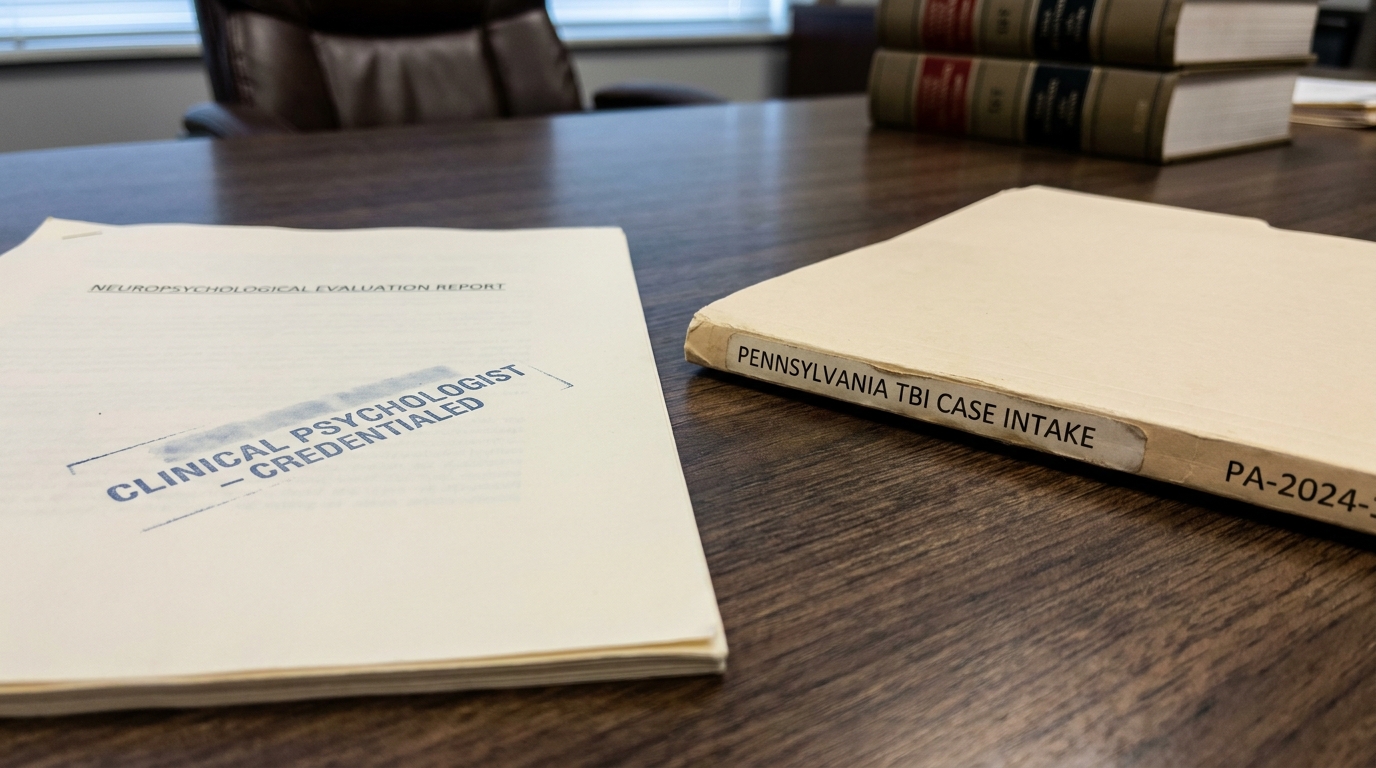
A neuropsychological evaluation goes far beyond asking how you feel. A trained clinical neuropsychologist administers validated tests comparing your performance against established norms for your age and background to identify which brain functions have changed since injury.
Most assessments examine several distinct domains. A typical TBI neuropsych test may evaluate:
- Memory, learning, and recall
- Attention, concentration, and processing speed
- Executive functions such as planning and problem-solving
- Language and verbal reasoning
- Mood, emotional regulation, and behavioral changes
The results create a detailed profile rather than a single score. This matters because TBI effects vary widely depending on severity. As the CDC explains, mild TBI may involve short-term symptoms with recovery within weeks or months, while moderate or severe TBI may cause long-term or life-long effects. A brain injury cognitive evaluation helps distinguish between the two and guides treatment planning for Pennsylvania accident victims.
How a TBI Neuropsych Test Strengthens a PA Brain Injury Legal Claim
Cognitive testing converts subjective complaints into measurable evidence for your attorney. To succeed in a Pennsylvania personal injury claim based on negligence, a plaintiff must prove duty, breach, causation, and damages. A neuropsychological assessment directly supports damages by documenting impairments affecting work, relationships, and independence.
This documentation is especially valuable for proving non-economic harm in brain injury cases. Research estimates lifetime costs for TBIs occurring in 2012 totaled $758 billion, with 83.3 percent attributed to quality of life lost. Objective Pennsylvania TBI evidence helps juries understand losses bills alone cannot capture.
Expert findings also matter because brain injuries rarely heal in a straight line. Studies show more than 62 percent of children with moderate-to-severe TBI and 14 percent with mild TBI experience ongoing disability requiring specialized services. The same applies to adults, making careful brain injury testing in Pennsylvania crucial to claim value. To understand how unseen injuries affect real people, this conversation on how injuries impact victims beyond what is visible offers helpful perspective.
💡 Pro Tip: Keep every appointment your treating providers recommend. Treatment gaps are frequently used by opposing parties to argue injuries were minor or unrelated to the accident.
Common Causes of TBI in Pennsylvania Cases
Most traumatic brain injuries trace back to predictable events. Understanding the cause matters because it shapes legal responsibility. The CDC reports falls lead to nearly half of TBI-related hospitalizations, with motor vehicle crashes and assaults as other common causes.
National hospitalization data reflects this pattern. Leading causes were falls at 49.1 percent and motor vehicle crashes at 24.5 percent. For survivors of crashes, premises-liability falls, workplace incidents, or assaults, identifying the negligent party is the first step toward accountability with a Pennsylvania accident lawyer.
Certain groups face elevated risk. Populations disproportionately affected include racial and ethnic minorities, service members and veterans, people experiencing homelessness, and survivors of intimate partner violence. Men face higher severity, being nearly two times more likely to be hospitalized and three times more likely to die from TBI than females. If your injury arose from another party’s negligence, our team handling traumatic brain injury claims in Pennsylvania can help evaluate your options.
How Pennsylvania Auto Insurance Interacts With TBI Costs
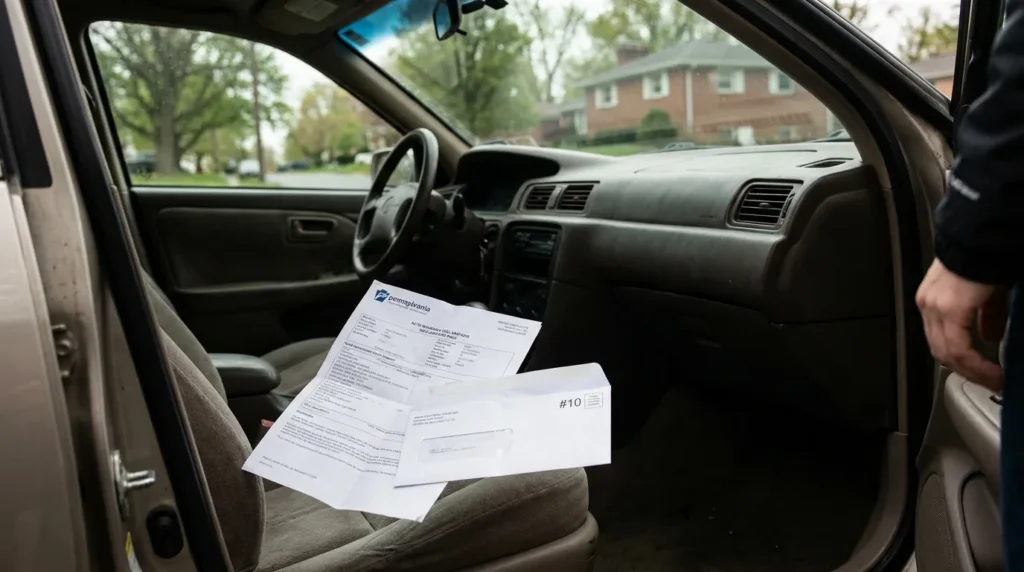
Pennsylvania’s auto insurance system affects how evaluation and treatment are paid. When a crash causes brain injury, several coverage layers may apply, and minimums are often far below what serious TBI requires. Understanding these limits is essential for any auto insurance TBI lawyer handling your case.
First-party medical benefits frequently cover early diagnostic care. Under Pennsylvania law, drivers must carry medical benefits coverage with a minimum $5,000 limit. These first-party benefits apply regardless of fault and may fund neuropsychological evaluation or diagnostic testing after collision, subject to policy terms.
Liability coverage may apply when another driver is at fault. Pennsylvania also requires bodily injury liability coverage with minimum limits of $15,000 per person and $30,000 per accident. Review the Pennsylvania Insurance Department’s guide to auto insurance coverage rules. Because these minimums may not cover lifetime TBI care, pursuing a full claim against a negligent party can be critical. Your ability to recover non-economic damages may depend on whether you selected full tort or limited tort on your policy.
| Coverage Type | Pennsylvania Minimum | Typical Role in TBI Cases |
|---|---|---|
| Medical Benefits | $5,000 | May fund early testing and diagnosis |
| Bodily Injury Liability | $15,000 / $30,000 | May pay damages caused by an at-fault driver |
💡 Pro Tip: Don’t assume minimum policy limits represent full compensation available. Additional coverage, such as underinsured motorist benefits, may apply depending on policies involved.
The Value of Rehabilitation and Documentation
Investing in proper evaluation and treatment often produces measurable benefits. Beyond supporting a claim, neuropsychological care can improve outcomes and reduce long-term expenses. A scoping review found most economic evaluations of neuropsychological rehabilitation for acquired brain injury documented cost savings.
Consistent records also protect your credibility when insurers dispute TBI claims. Because TBI is among the leading causes of death and disability in the country, courts and insurers take well-documented injuries seriously. Thorough records connecting symptoms to the incident help establish causation, though outcomes depend on specific case facts.
💡 Pro Tip: Ask whether your provider can produce a written report explaining test results in plain language. Clear reporting helps both medical and legal teams understand the full picture.
Frequently Asked Questions
-
How long does a neuropsychological evaluation take?
Length varies based on testing battery and symptoms. Many evaluations span several hours and may be divided across multiple sessions. The clinician determines scope based on suspected impairment areas.
-
Is a neuropsychological evaluation different from an MRI or CT scan?
Yes, these serve different purposes. Imaging shows physical brain structures, while cognitive testing measures brain function. Because mild TBI may not appear on standard imaging, neuropsych tests can reveal impairments scans miss.
-
Will insurance pay for TBI diagnosis in Pennsylvania?
It may, depending on coverage. First-party medical benefits under Pennsylvania auto policy may apply when a crash caused injury, regardless of fault, subject to policy limits and terms. Coverage questions are fact-specific, so reviewing your policy with a knowledgeable advisor is wise.
-
Can I still pursue a claim if my TBI was diagnosed late?
Possibly, but timing requires careful analysis. Pennsylvania applies a general two-year statute of limitations to most personal injury claims under 42 Pa. C.S. § 5524. Courts may apply the discovery rule in limited circumstances, so prompt legal review is important.
-
Do I need a lawyer to get a neuropsychological evaluation?
No, but legal guidance can help protect your claim. A clinician handles testing, while an attorney for brain injury ensures results are properly documented and preserved as evidence. Coordinating medical and legal steps early often strengthens a case.
Protecting Your Future After a Brain Injury
A neuropsychological evaluation can be the difference between an invisible injury and one fully recognized in your Pennsylvania claim. By documenting how TBI has changed your memory, focus, and daily functioning, this cognitive testing gives doctors, insurers, and courts the objective evidence they need. Combined with strong medical records and a clear account of how the injury occurred, it helps establish both causation and the true scope of damages.
If a negligent driver, property owner, or other party caused your brain injury, the team at The Injury Pros is ready to help you understand your rights and pursue meaningful compensation. Call us today at 215-642-2335 or contact us through our confidential consultation request to take the first step toward recovery.