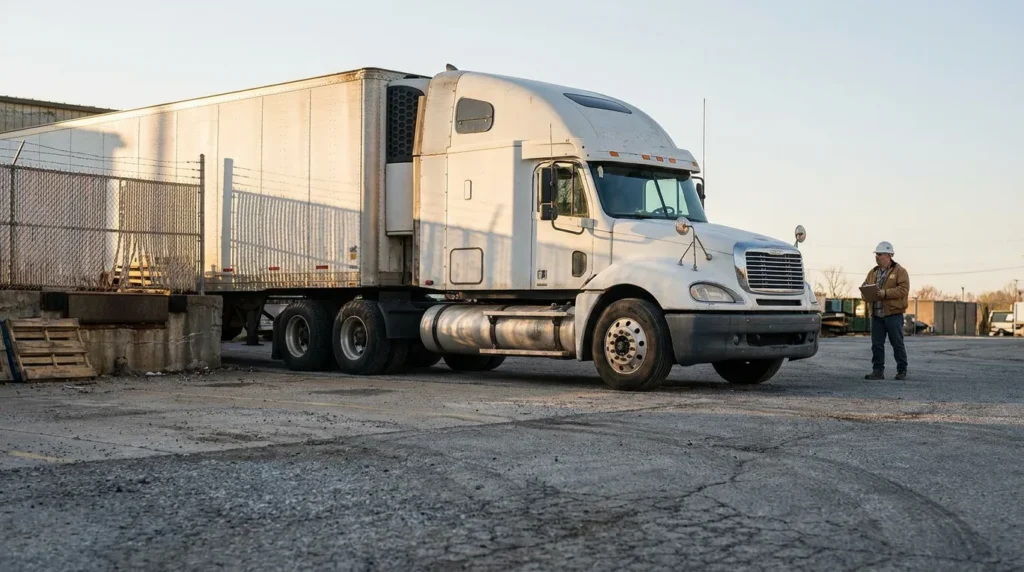

When a Driver You Never Touched Causes Your Crash
Key Takeaways: A phantom vehicle is an unidentified vehicle that causes a crash without making contact. Pennsylvania requires reporting to police or a proper governmental authority and notifying your insurer within 30 days, or as soon as practicable. These claims proceed against your UM coverage under the Motor Vehicle Financial Responsibility Law. Insurers scrutinize no-contact claims closely, making corroboration like witness statements, dashcam video, and physical evidence critical. Your tort election affects pain and suffering recovery. Acting quickly to report, document injuries, and review your policy strengthens your claim.
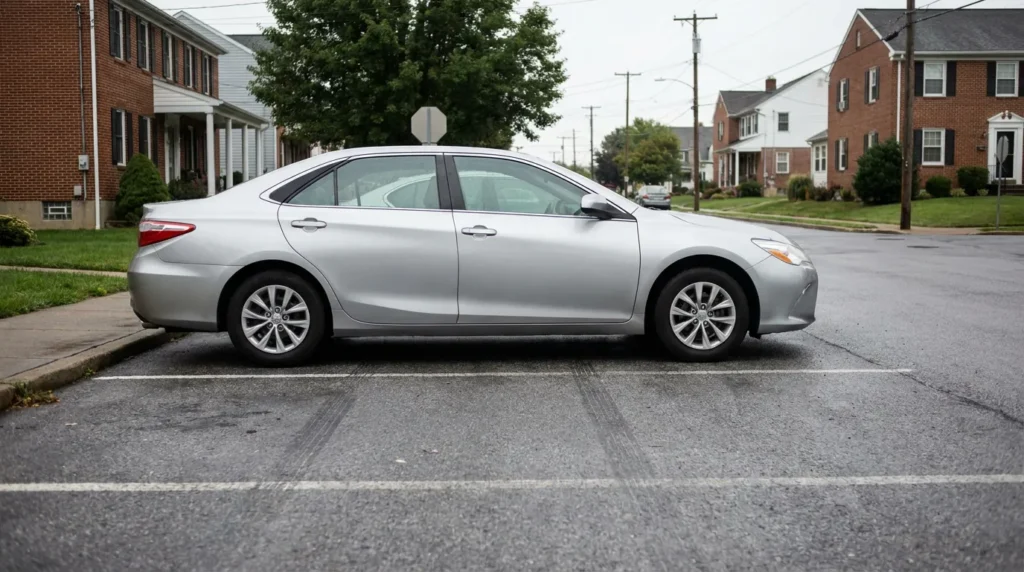
A phantom vehicle is an unidentified vehicle that causes a collision without making contact with you or your car. Pennsylvania law conditions an uninsured motorist claim on reporting the crash to police or another proper governmental authority and notifying your insurer within 30 days, or as soon as practicable. Think of the driver who drifts into your lane, forces you onto the shoulder, and keeps going, no paint transfer, no license plate, no insurance company on the other side. The phantom vehicle Pennsylvania 30-day notice framework exists because no-contact crash PA scenarios are easy for insurers to dispute.
If you were run off the road by a driver who vanished, don’t wait for an adjuster to explain your rights. The team at The Injury Pros handles uninsured and unidentified driver claims across Pennsylvania. Call 215-642-2335 or contact us now for a free consultation.
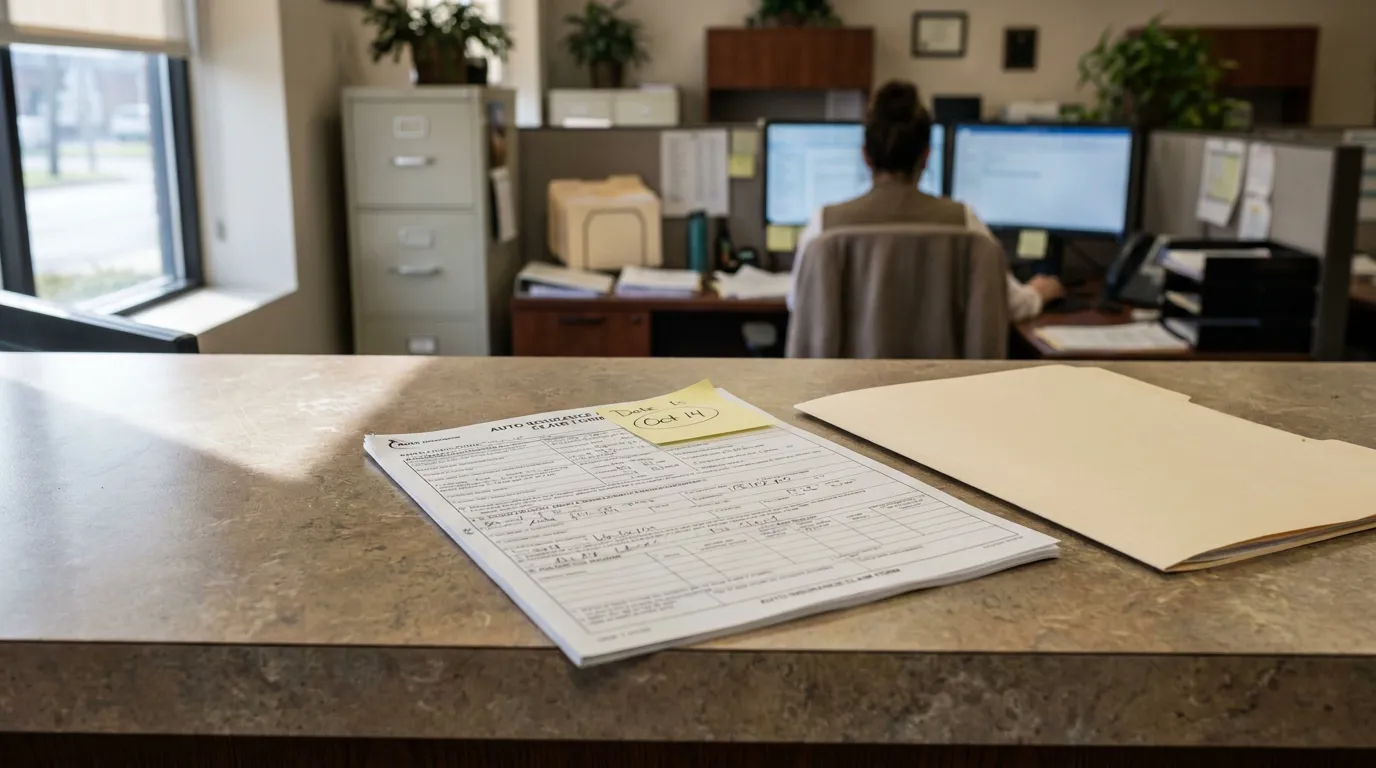
How Pennsylvania Defines a Phantom Driver
The phantom driver definition centers on two elements: the vehicle caused the crash, and the owner or operator cannot be identified. Unlike a traditional hit-and-run where physical contact occurs, a phantom vehicle claim, sometimes called a miss and run crash, involves no impact between vehicles. Pennsylvania law does not require physical contact, but that absence makes corroboration important.
Because there is generally no identified defendant, these claims proceed against your own policy. Pennsylvania’s Motor Vehicle Financial Responsibility Law governs this area. Under 75 Pa.C.S. § 1702, an "uninsured motor vehicle" includes an unidentified vehicle causing an accident resulting in injury, subject to reporting and notice conditions, and 75 Pa.C.S. § 1731 requires that UM coverage be offered while permitting written rejection. If you declined UM coverage, your recovery options after a phantom vehicle crash may be extremely limited.
Common Phantom Vehicle Scenarios
- A vehicle crosses the centerline, and you swerve into a guardrail to avoid a head-on collision.
- Debris falls from an unsecured truck bed, and the truck continues down the highway.
- A car merges without signaling, forcing a motorcyclist to lay the bike down.
- A driver runs a red light, causing you to brake hard and get rear-ended.
💡 Pro Tip: Photograph skid marks, roadway position, and nearby businesses with exterior cameras before leaving the scene. Surveillance footage is frequently overwritten within days.
Why the Phantom Vehicle Pennsylvania 30-Day Notice Rule Exists
The reporting requirement functions as a fraud-prevention safeguard built into Pennsylvania’s uninsured motorist framework. Without it, someone could crash into a tree, wait months, then claim a mysterious vehicle caused it. Insurers and courts treat prompt reporting as objective evidence the incident happened as described.
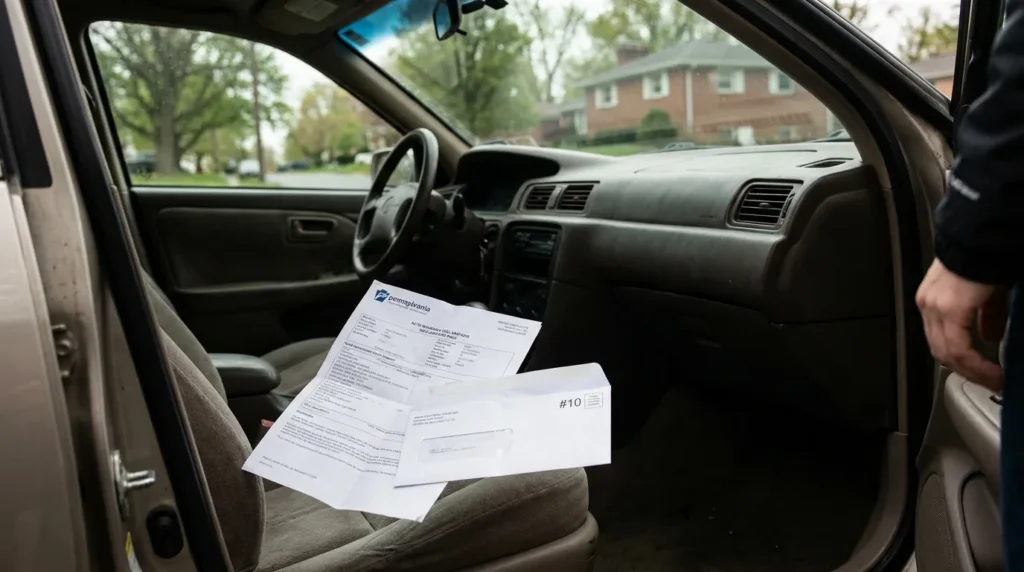
The obligation has two parts: reporting to police or another proper governmental authority, and notifying your insurer within 30 days, or as soon as practicable. Many policies contain their own notice provisions operating alongside statutory conditions. Whether late report defeats a claim depends on policy language, reason for delay, and whether the insurer suffered prejudice.
What "Proper Authority" Generally Means
A report filed with state police, municipal police, or another governmental agency with roadway jurisdiction typically satisfies the requirement. Telling a tow truck driver, friend, or body shop does not. If you were transported by ambulance and couldn’t report immediately, a family member filing on your behalf is preferable to waiting.
Documentation quality matters as much as timing. A police report recording "single-vehicle crash" without mentioning another car can undercut your claim. Ask the responding officer to note the phantom vehicle in the narrative, and request a copy to verify the description was recorded.
Corroboration and UM Claim Requirements
Beyond timely notice, phantom vehicle claims turn on whether independent evidence supports your account. Insurers scrutinize these files harder than standard collision claims because there is no opposing driver to interview. Building corroboration early is critical.
Useful corroborating evidence includes:
- Independent witness statements from other motorists or bystanders
- Dashcam footage from your vehicle or a nearby driver
- Traffic, business, or residential surveillance video
- Vehicle event data recorder downloads showing sudden steering or braking
- Consistent statements to EMS, ER staff, and police
Physical evidence matters even without contact. Roadway gouges, tire marks, and your vehicle’s resting position may support an accident reconstruction opinion that an evasive maneuver occurred. An experienced PA accident attorney will move quickly to preserve this material before conditions change.
How Tort Selection Affects What You Can Recover
Your tort election shapes whether you can pursue pain and suffering damages after a phantom vehicle crash. Pennsylvania uses a choice no-fault system where drivers select either full tort or limited tort. Full tort preserves the right to sue for pain and suffering, while limited tort restricts noneconomic damages unless a statutory exception applies.
Limited tort is not an absolute bar. Under 75 Pa.C.S. § 1705, exceptions include a "serious injury" as defined by statute, injuries caused by a DUI driver, an uninsured motorist, or an out-of-state vehicle. Whether a given injury qualifies is frequently contested, and medical documentation created close in time to the crash is often significant.
| Coverage Element | Pennsylvania Baseline | Relevance to Phantom Vehicle Claims |
|---|---|---|
| Bodily injury liability | 15/30 minimum limits | Sets the floor for what UM limits are typically offered |
| Property damage liability | $5,000 minimum | Generally does not cover your own repairs in a no-contact crash |
| Medical benefits (first-party) | $5,000 minimum, generally paid regardless of fault | Often the first source of payment after a phantom crash |
| UM/UIM | Must be offered, may be rejected in a signed writing | Often the primary recovery vehicle for phantom vehicle claims |
Many drivers discover their limits only after a serious injury. If you’re unsure what you purchased, reviewing how your auto policy may be trash can help you understand stacking, waivers, and coverage gaps.
The Statutory Framework Behind UM Coverage in Pennsylvania
Chapter 17 of Title 75 supplies the financial responsibility rules that phantom vehicle claims are built on. Under 75 Pa.C.S. § 1731(a), no motor vehicle liability policy may be delivered in the Commonwealth unless uninsured and underinsured motorist coverages are offered. Related provisions addressing the availability of uninsured motorist coverage appear at 75 Pa.C.S. § 1792.
Pennsylvania law requires insurers to provide notice of coverage options, including the tort election. Whether a particular waiver or rejection form was legally effective is a recurring litigation issue.
Don’t Confuse This With PennDOT’s 30-Day Lapse Rule
Pennsylvania has a separate 30-day standard involving insurance lapses. A lapse results in a three-month registration suspension unless the lapse was 30 days or less and the owner proves the vehicle was not operated during the lapse. In lieu of suspension, an eligible owner may pay a $500 civil penalty plus restoration fee.
These administrative matters are handled separately from any civil injury claim. Because a significant share of Pennsylvania drivers are uninsured, Pennsylvania car insurance laws make UM/UIM protection especially valuable.
💡 Pro Tip: The 30-day notice condition is separate from Pennsylvania’s two-year civil statute of limitations for personal injury. Meeting one does not preserve the other.
Practical Steps After a No-Contact Crash
Call 911 from the scene, even if your car is drivable and you feel fine. Adrenaline can mask symptoms, and delayed-onset injuries like concussions, disc herniations, and soft tissue damage frequently surface days later. A same-day medical evaluation helps create the causation record insurers may test.
Describe the phantom vehicle in as much detail as you can recall. Color, body style, direction of travel, and partial plate information all help. Avoid speculating about what you didn’t see, correcting yourself later can hand an adjuster an inconsistency to exploit.
Notify your carrier promptly, but be cautious about recorded statements. You have a contractual duty to cooperate, which differs from an obligation to give an unprepared narrative before understanding your injuries. Working with a phantom vehicle Pennsylvania 30-day notice lawyer early can help you meet policy obligations without damaging your position.
Frequently Asked Questions
1. What happens if I miss the 30-day reporting deadline?
Late notice can seriously complicate a phantom vehicle claim, though the statute allows notice "as soon as practicable thereafter" in some circumstances. Courts may consider the reason for delay and whether the insurer was prejudiced.
2. Does my car need to be hit for a phantom vehicle claim?
Generally, no. The defining feature is the absence of contact. That said, the lack of physical evidence raises the practical burden of proof, making corroborating witnesses or video valuable.
3. Will filing a UM claim raise my premiums?
Premium consequences depend on your carrier’s practices and circumstances. Pennsylvania law restricts surcharges for accidents where the insured was not substantially at fault, but application varies.
4. Can a passenger or pedestrian bring a phantom vehicle claim?
In many cases, yes. Uninsured motorist coverage may extend to household resident relatives, occupants of the insured vehicle, and sometimes pedestrians injured by a phantom vehicle’s conduct. Which policy applies depends on household composition and policy language.
5. What if I have limited tort?
You may still recover medical benefits and economic losses, and pain and suffering may remain available if a statutory exception applies. Serious injury determinations are fact-intensive and often litigated. Thorough medical documentation is important.
Protecting Your Claim When the Other Driver Disappears
Phantom vehicle claims sit at the intersection of tight deadlines, contested evidence, and coverage many drivers never realized they purchased. The reporting and notice conditions are the gateway, corroborating proof often carries the claim, and your tort election may shape available compensation. Insurers rarely volunteer the coverage you may be owed.
If a driver forced you off the road and disappeared, the attorneys at The Injury Pros are ready to review your uninsured motorist coverage and protect your deadlines. Call 215-642-2335 or schedule your free case review today.
Disclaimer: This content is for informational purposes only and is not legal advice. Every case is unique, and results may vary. Consult an attorney about your specific circumstances.