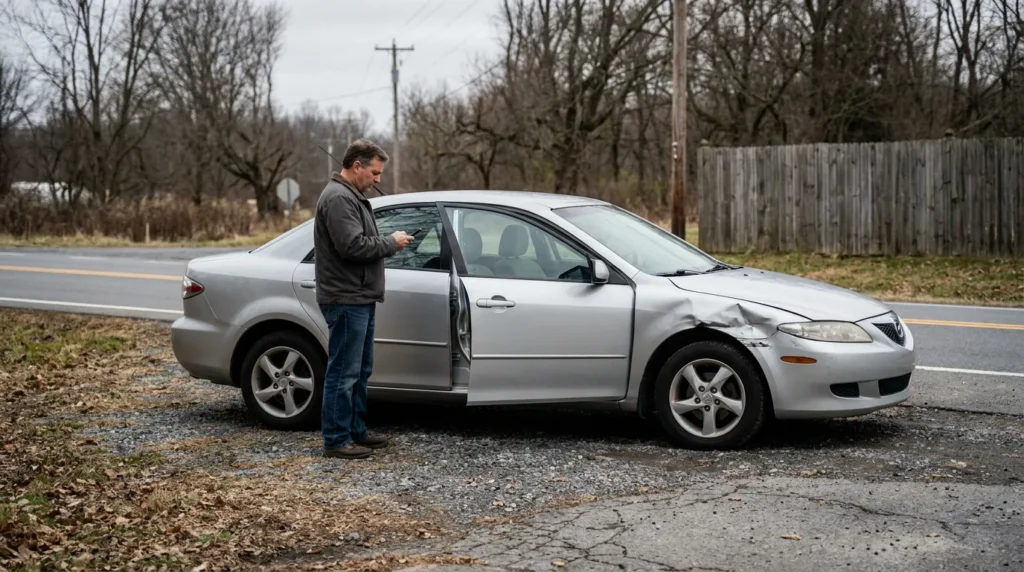

Understanding When You Can Sue After a Pennsylvania Crash
Key Takeaways: Under Pennsylvania’s modified no-fault system, a serious injury generally means death, permanent serious disfigurement, or serious impairment of a body function, and meeting this threshold is what allows limited tort policyholders to recover for pain and suffering. Your PIP coverage pays medical bills regardless of fault, but that is a separate question from whether you can pursue noneconomic damages. Your tort election is decisive: full tort permits recovery for pain and suffering, while limited tort restricts it unless your injury qualifies as serious or a statutory exception, such as a DUI-related crash, applies. Injuries like spinal cord damage, traumatic brain injury, severe burns, and permanent disfigurement more readily meet the threshold, though "serious impairment" is fact-sensitive and frequently litigated. The injured party bears the burden of proving negligence, causation, and damages through consistent medical evidence, and most claims must be filed within two years under 42 Pa.C.S. § 5524. Because insurers often minimize even permanent injuries, careful documentation and legal guidance can be critical to protecting your claim.
A serious injury under Pennsylvania’s no-fault framework generally means an injury involving death, permanent serious disfigurement, or serious impairment of a body function. If you carry limited tort coverage, this threshold is the gate you must pass through before you can recover compensation for pain and suffering. Meeting it can determine whether an insurer treats your claim as a minor inconvenience or a life-altering event, which is why so many injured Pennsylvanians want a clear answer before they speak with an adjuster.
If you were recently hurt in a collision and are unsure whether your injuries meet this standard, the team at The Injury Pros is ready to help. Call us at 215-642-2335 or reach out through our free case review page to discuss your options with a plaintiff-side legal team.
Decoding Pennsylvania Car Accident Laws and the No-Fault System
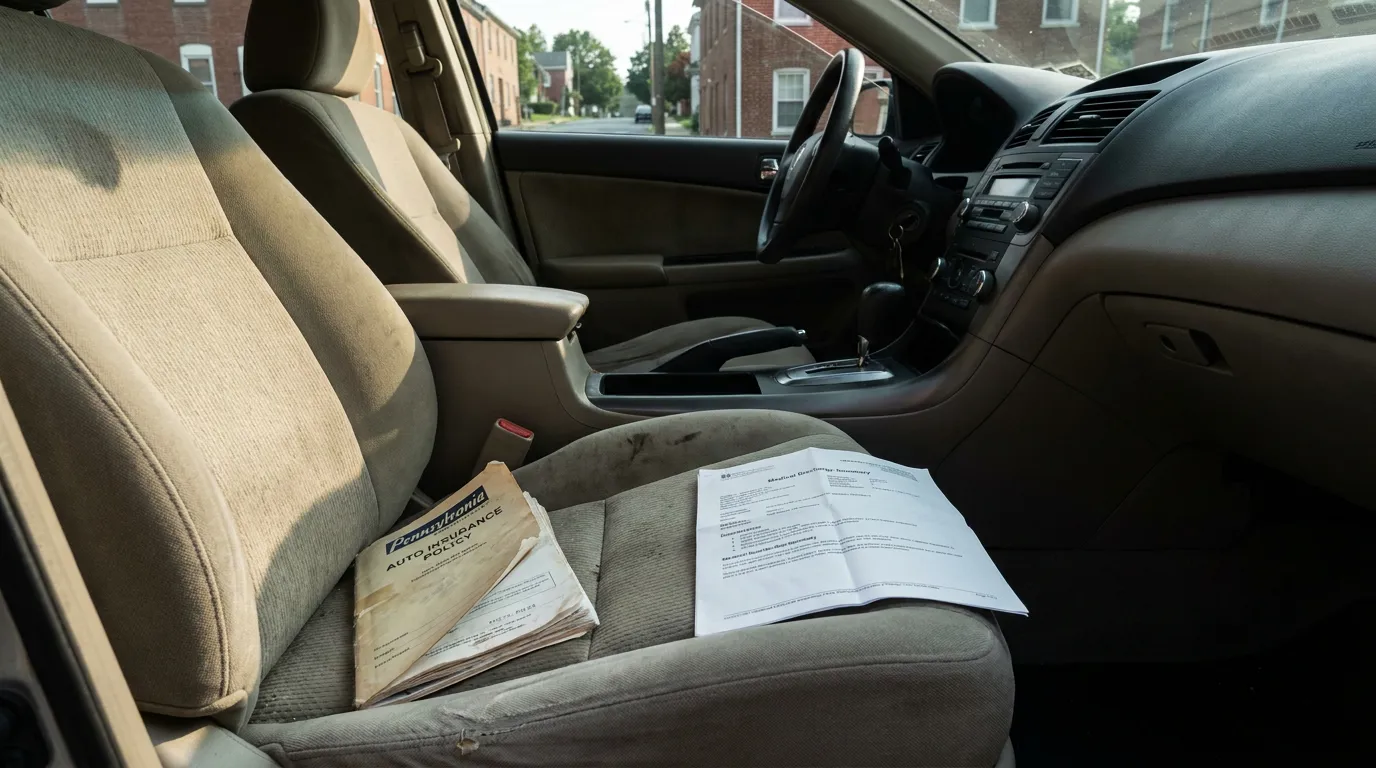
Pennsylvania car accident laws operate under a modified no-fault system built around Personal Injury Protection and a tort election. After a crash, your own PIP coverage generally pays medical bills regardless of who caused the collision. This structure was designed to speed up medical payments and reduce the volume of smaller lawsuits clogging the courts.
The current framework did not appear overnight. The legislature repealed the older No-Fault Act and enacted the Motor Vehicle Financial Responsibility Law, effective in 1984 and codified at Title 75 of the Pennsylvania Consolidated Statutes §§ 1701 through 1799.7. Historically, a low tort threshold allowed more accident victims to bring lawsuits and pushed insurance companies to raise premiums, which is part of what motivated the shift to the limited tort and serious-injury structure we have today.
Regulators also implemented cost-containment rules under 31 Pa. Code Chapter 69, which governs how medical treatment is paid rather than what injury permits a lawsuit. That chapter addresses payment limitations, allowable amounts, and peer review procedures. Understanding this distinction matters, because how your treatment gets paid is a separate question from whether you can pursue a pain-and-suffering claim.
💡 Pro Tip: Request a copy of your declarations page early. It states whether you elected limited or full tort, and that single choice shapes your entire car accident injury claim in PA.
What the Law Means by "Serious Injury"
The definition of a serious injury sits at the center of every limited tort dispute in Pennsylvania. Under the standard auto policy and the governing statute, a serious injury is defined as death, serious impairment of a body function, or permanent serious disfigurement. This language sounds straightforward, but the phrase "serious impairment of body function" is fact-sensitive and frequently litigated.
Courts may consider factors such as the extent of the impairment, the length of treatment, the effect on daily activities, and whether the limitation is permanent. Because these determinations depend heavily on individual facts, two people with similar diagnoses can receive very different outcomes. A useful working benchmark comes from how the law treats catastrophic harm, which is often understood as injury that permanently prevents a person from performing work and enjoying life.
Injuries That Commonly Meet the Threshold
Certain injuries tend to satisfy the serious injury threshold in PA more readily than others. While no result is guaranteed, the following categories frequently support a claim for noneconomic damages:
- Spinal cord injuries and paralysis
- Traumatic brain injury
- Severe burns and accidental amputations
- Permanent disfigurement or significant scarring
- Injuries producing lasting loss of a body function
Motor vehicle accidents are among the most common causes of these catastrophic injuries, alongside falls, medical negligence, and acts of violence. You can learn more about how these severe harms are classified through this overview of catastrophic injury types, which helps illustrate what elevates an injury beyond minor.
💡 Pro Tip: Delayed symptoms are common after a crash. Whiplash, concussions, and soft-tissue damage can worsen over days, so prompt medical evaluation both protects your health and documents the injury.
Full Tort Versus Limited Tort: Why Your Election Matters
Your tort election decides whether the serious injury threshold even applies to your case. Full tort coverage generally allows policyholders to recover both economic and noneconomic damages after a collision. Limited tort, by contrast, restricts recovery for pain and suffering unless your injuries qualify as serious.
Choosing limited tort can save money on premiums, but it comes with a meaningful trade-off. Many drivers do not realize that insurers often argue that even permanent injuries fall short of the serious injury definition, and lengthy policy language can obscure that risk. If you want a deeper breakdown, our guide on the difference between limited and full tort walks through how each option affects your rights.
| Feature | Full Tort | Limited Tort |
|---|---|---|
| Recover economic damages | Yes | Yes |
| Recover pain and suffering | Generally yes | Only if injury is serious |
| Typical premium | Higher | Lower |
| Burden to sue for noneconomic harm | Standard negligence proof | Must meet serious injury threshold |
Even limited tort policyholders retain exceptions that may restore full recovery rights. Under certain circumstances, such as when the at-fault driver was convicted of or accepted Accelerated Rehabilitative Disposition for driving under the influence, or was operating a vehicle registered out of state, a limited tort insured may still pursue noneconomic damages. These carve-outs are applied based on specific facts, so they should be reviewed carefully rather than assumed. For a neutral explanation of how these elections interact, the historical background on tort options and premiums offers helpful context.
💡 Pro Tip: If you are unsure which election you chose, do not guess when talking to an adjuster. An inaccurate statement about your coverage can complicate your claim later.
Proving a Serious Injury and Protecting Your Claim
Meeting the serious injury threshold in PA is not automatic, and the burden of proof rests on the injured party. To establish a claim, a plaintiff generally must show negligence, causation, and measurable damages tied to the collision. This means connecting the crash to your injuries through consistent, well-documented medical evidence.
Insurers frequently challenge whether an impairment is truly serious, so preserving records is essential. Photographs of the scene and your injuries, prompt and continuous medical care, and detailed notes about how the injury limits your daily life can all strengthen your position. Courts may weigh how the injury affects work, family responsibilities, and routine activities when deciding whether the threshold is met.
Timing also plays a critical role in whether you can recover at all. In Pennsylvania, the civil statute of limitations for most personal injury actions is generally two years under 42 Pa.C.S. § 5524. Exceptions such as the discovery rule may apply in limited circumstances, but courts interpret these narrowly, and tolling does not apply automatically. Government-related claims can involve separate and often shorter notice deadlines, which are distinct from the civil filing period, so overlapping dates should be confirmed early.
💡 Pro Tip: Keep a simple daily journal after your crash. Short entries about pain levels, missed work, and activities you cannot perform create powerful evidence of a serious impairment over time.
If your situation involves a truck, motorcycle, pedestrian, bicycle, or hit-and-run collision, the same threshold principles generally apply, though the facts and available coverage can differ. A plaintiff-focused Pennsylvania car accident laws lawyer can help evaluate how these rules apply to your specific circumstances and identify the strongest path to compensation.
Frequently Asked Questions
Below are common questions Pennsylvania crash victims ask about the serious injury standard.
1. Does limited tort mean I can never sue for pain and suffering?
Not necessarily. Limited tort restricts noneconomic recovery unless your injury meets the serious injury threshold or a statutory exception applies, such as a DUI-related crash. Whether you qualify depends on the specific facts of your case.
2. How does no-fault insurance in PA affect my medical bills?
Your Personal Injury Protection coverage generally pays medical expenses regardless of fault, subject to the cost-containment rules in 31 Pa. Code Chapter 69. This coverage is separate from any lawsuit you may bring for pain and suffering.
3. What if my symptoms appeared days after the accident?
Delayed symptoms are common and do not bar a claim. Prompt medical evaluation helps link the injury to the crash, which supports both your treatment and your ability to meet the serious injury threshold in PA.
4. How long do I have to file a PA car accident injury claim?
Most personal injury lawsuits in Pennsylvania are subject to a two-year deadline under 42 Pa.C.S. § 5524. Certain exceptions may extend or shorten that period in limited circumstances, so confirming deadlines early is important.
5. Who decides whether my injury is "serious" enough?
Ultimately a court or jury may decide, weighing medical evidence and how the injury affects your life. Because outcomes depend on the facts, a legal review of your records can help clarify where your case stands.
Taking the Next Step Toward Recovery
Understanding what qualifies as a serious injury can make the difference between a denied claim and meaningful compensation. Pennsylvania’s no-fault system, your tort election, and the fact-sensitive serious injury threshold all interact in ways that are easy to misjudge without guidance. Because insurers often minimize even permanent injuries, injured drivers, passengers, pedestrians, and cyclists benefit from understanding their rights before negotiating. Every case turns on its own facts, so this information is general and not a substitute for individualized legal advice.
If you or a loved one suffered a serious injury in a crash, the plaintiff-side team at The Injury Pros is here to help you pursue the compensation you deserve. Call us today at 215-642-2335 or request a free consultation through our online contact form to protect your claim and your future.