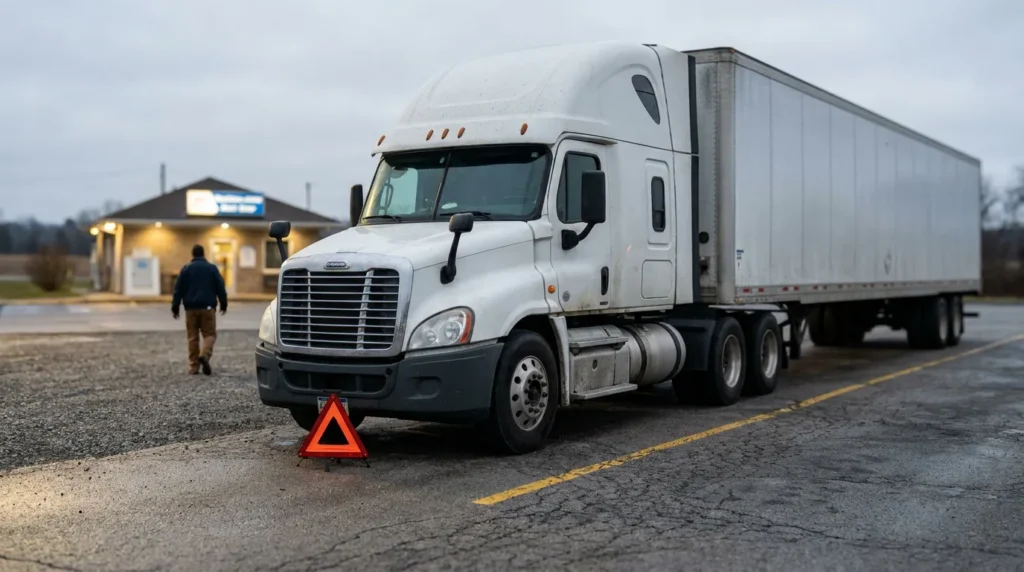

Key Takeaways: After a Pennsylvania truck accident, the trucking company owns the black box hardware and data but cannot hide or destroy evidence. The truck’s black box, stored on the electronic control module (ECM) and electronic logging devices (ELDs), captures engine hours, speed, braking, duty status, and other facts that determine fault. Because raw ECM crash event data may be overwritten as the truck continues operating after a crash, critical evidence can disappear within days. Pennsylvania does not recognize an independent tort claim for negligent spoliation, so the primary remedy is a spoliation sanction, typically an adverse-inference jury instruction. Acting quickly by sending a preservation letter, identifying custodians, and obtaining the crash report protects that evidence. Working with an experienced truck accident lawyer can make the difference between preserved and lost data.
Ownership of black box data after a Pennsylvania truck accident is more complicated than expected. The trucking company or tractor-trailer owner physically controls the electronic data because the equipment belongs to them, yet that control does not give them the right to hide, overwrite, or destroy information that may become evidence. The truck black box holds operational facts that often decide fault.
If you or a loved one was hurt in a commercial truck collision, the team at The Injury Pros can help you act before critical evidence is lost. Call our office at 215-642-2335 or reach us through our online case review page to discuss preserving the electronic record from your crash.
💡 Pro Tip: The party that owns the truck usually owns the hardware, but Pennsylvania law still allows injured victims to demand that the data be preserved and produced during litigation.
What a Truck Black Box Records and Where It Lives
The truck black box is a collection of electronic systems built around the engine’s onboard computer. The electronic control module, or ECM, is the truck’s onboard computer from which regulated data such as engine hours, odometer readings, and vehicle identification number are pulled. Federal guidance ties this ECM information directly to Electronic Logging Device compliance, making the ECM the physical source of commercial truck black box data.
Federal regulators treat this component as a distinct area of oversight. The Federal Motor Carrier Safety Administration maintains a tracked regulatory topic devoted to the Engine Control Module, underscoring that truck black box data falls under federal oversight in addition to state law.
Common information captured in commercial truck data includes:
- Engine hours, odometer readings, and vehicle identification number
- Duty status and hours-of-service logs tied to the ELD
- Speed, braking, and engine performance data recorded near impact
- Fault codes and diagnostic events stored on the module

How ELD and ECM Systems Capture Truck Crash Data
Electronic logging devices connect to the ECM through several accepted methods, which affects how truck crash data is collected and stored. The FMCSA permits an ELD to connect to a truck’s electronic control module using internet, Bluetooth, or other connectivity methods, provided the driver’s record of duty status remains available and current. Serial or Control Area Network protocols, including J1939 plug wiring and Bluetooth, are all acceptable ways of receiving ECM data.
Authentic engine-derived data carries far more evidentiary weight than manual entries. ELD providers must use all means necessary to obtain the required data from the ECM, and a device relying on manual entry when ECM data is available would be non-compliant. Some required data is proprietary and controlled by the vehicle’s original equipment manufacturer, meaning ELD providers may need OEM agreements to retrieve it. You can review the FMCSA explanation of how an ELD may connect to the ECM for the technical framework governing these connections.
💡 Pro Tip: While ELD records of duty status must be retained by motor carriers for six months under federal regulations, raw ECM crash event data, such as speed, braking, and engine performance recorded near impact, may be overwritten as the truck continues operating after a crash. Sending a prompt preservation demand is advisable to protect this ECM crash data before it is lost.
Who Actually Controls the Black Box Data
Physical possession and legal duty are two different things when it comes to black box ownership. The trucking company generally owns the hardware and data, but other parties may also hold crash evidence.
When Third Parties Hold the Evidence
Police, tow companies, and repair shops frequently take custody of a wrecked truck and the data inside it. Evidence held in custody can be destroyed before an injured party’s counsel requests its return. In one Pennsylvania matter, police seized and retained a safety belt during their investigation, and the belt was destroyed before the injured parties’ counsel asked for its return. The same danger applies to a damaged truck sitting in a salvage yard with its module intact.
Federal Rules That Shape the Record
Federal regulations govern how ECM-derived identifiers must be handled. A partial VIN is not permitted under Section 7.5 of Appendix A to Part 395, and if the VIN cannot be fully obtained from the ECM, it must be entered manually. If required ELD data from the ECM is private and requires an agreement with the original equipment manufacturer, the ELD provider must still use all means necessary to obtain it.
💡 Pro Tip: Ask early whether the truck involved in your crash used an ECM-connected ELD or a system relying on manual entries, because that distinction can affect data reliability.
Why Pennsylvania Spoliation Law Makes Speed Essential
Pennsylvania’s rules on lost evidence create both a risk and a limited remedy, so acting quickly is critical. Pennsylvania’s highest court has held that Pennsylvania law does not recognize a cause of action for negligent spoliation of evidence. In Pyeritz v. Pennsylvania, 9 WAP 2009 (Pa. 2011), the court confirmed that a party who loses or destroys evidence generally cannot be sued in tort for negligence over that loss. Related authority has declined to recognize negligent-spoliation claims against third parties or intentional spoliation as a separate tort.
Because a separate lawsuit for lost data usually is not available, the practical remedy comes through spoliation sanctions within the existing case. Whether such a sanction is imposed is a discretionary judicial decision, and courts typically weigh factors such as the degree of fault, prejudice to the opposing party, and whether a lesser sanction would serve justice. Documenting the preservation duty early, in writing, strengthens the injured party’s position.
Practical Steps to Protect Truck Crash Data
Sending a preservation letter as soon as possible is one of the most effective early tools in a truck accident case. A preservation letter warns a trucking company not to destroy or overwrite electronic data. A well-drafted demand typically warns that the recipient should not dispose of material because it may be both discoverable and admissible in litigation, and that failure to preserve may result in spoliation sanctions, such as an adverse-inference instruction, at trial.
| Action | Why It Matters |
|---|---|
| Send a preservation letter | Puts the holder on notice not to overwrite ELD data |
| Identify all custodians | Police, tow yards, and repair shops may hold the module |
| Document the request in writing | Strengthens a later spoliation instruction request |
| Obtain the crash report | Confirms parties, vehicles, and investigating agency |
Gathering the official crash report early helps identify who has custody of the truck and its data. Knowing which agency responded and where the vehicle was towed lets your legal team direct preservation demands to the right places. Our guide on how to get a crash report walks through that first step.
💡 Pro Tip: Keep your own record of the truck’s company name, USDOT number, and license plate from the scene or police report, because those details help a lawyer locate the black box faster.
Working with a knowledgeable truck accident lawyer can make the difference between preserved and lost evidence. A firm with extensive experience handling commercial collisions understands how to move quickly, coordinate with custodians, and build the written record that supports a spoliation request. Our overview of representation for a truck accident attorney PA explains how liability is established among drivers, carriers, contractors, and manufacturers.
Frequently Asked Questions
-
Who owns the black box in a commercial truck?
The trucking company or truck owner owns the hardware and stored data. Ownership does not permit them to destroy discoverable information. Other parties such as police or repair shops may also temporarily hold the physical module.
-
Can I sue a company that destroys truck black box data?
Pennsylvania does not recognize a standalone tort claim for negligent spoliation of evidence. Under Pyeritz v. Pennsylvania, a party who loses evidence cannot be sued in tort for that loss. Instead, the remedy is often a spoliation sanction within the underlying case, such as an adverse-inference jury instruction, subject to the court’s discretion.
-
How fast can truck crash data disappear?
Raw ECM crash event data can be overwritten quickly as the truck continues operating after a crash. While ELD records of duty status are subject to federal retention requirements, crash-related ECM data such as speed, braking, and engine performance can be lost within days. Sending a preservation letter promptly reduces that risk.
-
What information does the ECM actually store?
The ECM stores regulated operational data pulled from the engine. This includes engine hours, odometer readings, vehicle identification number, duty-status logs, and performance data tied to the ELD.
-
Do I need a lawyer to preserve black box data?
You are not required to have a lawyer, but prompt legal help can be valuable. A lawyer can identify custodians, send preservation demands, and document the record needed to support a spoliation instruction.
Securing the Truth After a Pennsylvania Truck Crash
The black box data in a commercial truck is often the clearest, most objective account of what happened, yet it sits in the hands of the very party you may need to hold accountable. While the trucking company generally owns the hardware, Pennsylvania law and federal regulations give injured victims meaningful ways to demand that ELD and ECM records be preserved and produced. Because negligent spoliation is not an independent claim in Pennsylvania, and because a spoliation sanction depends on a strong written record, acting early is essential.
Do not wait while critical evidence is at risk of being overwritten or discarded. The team at The Injury Pros is ready to help you move quickly to protect the electronic record from your collision. Call us today at 215-642-2335 or request your consultation online to discuss the next steps in your truck accident claim.