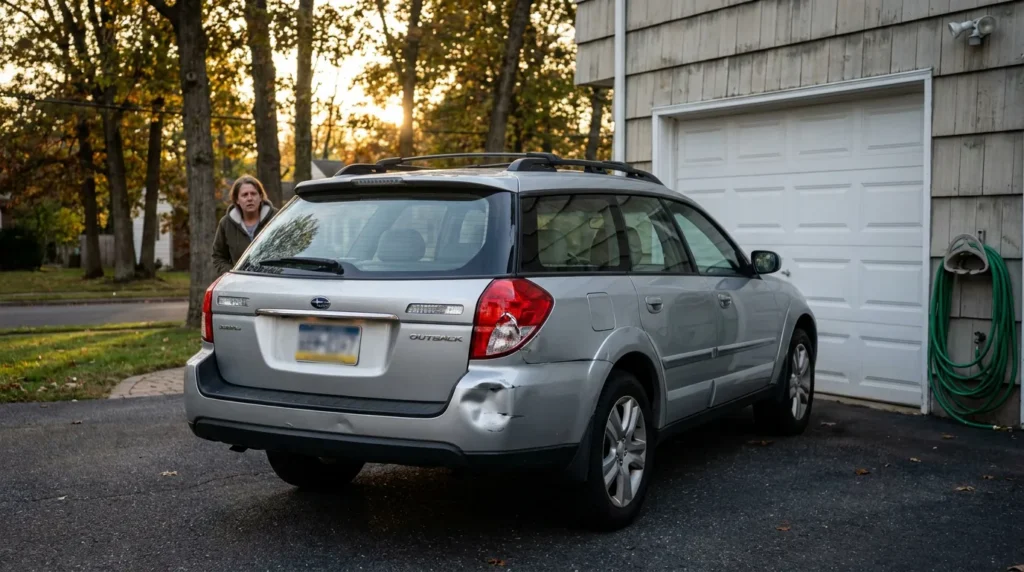

How a Crash Can Injure Your Brain Without a Single Blow to the Head
Key Takeaways: Post concussion syndrome can develop after a Pennsylvania crash even when your head never strikes anything, because rapid acceleration and deceleration may force the brain to move inside the skull and shear delicate nerve fibers. Symptoms such as headaches, fatigue, sleep disruption, mood changes, and cognitive fog often appear days or weeks later and are easily dismissed as stress or soreness. CT scans and MRIs are frequently normal in these cases, since standard imaging generally cannot detect microscopic axonal injury, which insurers may use to dispute claims. Diagnosis generally rests on clinical evaluation, consistent treatment records, and neuropsychological testing measuring memory, attention, and processing speed. Causation is often the contested element in a Pennsylvania negligence claim, and medical opinion testimony offered to a reasonable degree of medical certainty typically carries significant weight. Under 42 Pa.C.S. § 5524, most personal injury actions generally must be commenced within two years of accrual, so prompt medical care and early documentation matter.
Your head never touched the steering wheel, the airbag never deployed, and paramedics never mentioned a head injury. Weeks later, you still have headaches that will not quit, fog that makes simple tasks exhausting, and a temper you do not recognize. A brain can be injured by force alone, and post concussion syndrome after car accident collisions frequently develops in people who never struck their head on anything.
If you are living with lingering symptoms after a Pennsylvania crash, the team at The Injury Pros may be able to help you understand your options. Call 215-642-2335 or contact us now to discuss what happened and what comes next.

The Physics Behind an Inertial Brain Injury
The brain floats inside the skull, and rapid acceleration or deceleration can make it move even when the skull itself is never struck. In a rear-end collision or sudden stop, the head may whip forward and back while the brain lags behind, potentially stretching and shearing nerve fibers. This mechanism, often called acceleration deceleration brain injury, may explain why whiplash and concussion symptoms so often travel together. Whether it caused a particular person’s symptoms is a medical question assessed case by case.
Public health authorities recognize this non-impact pathway. The CDC describes traumatic brain injury as resulting from a bump, blow, or jolt to the head, and a jolt does not require contact with an object. Federal surveillance data on traumatic brain injury in the United States identifies falls, motor vehicle crashes, and violent shaking among the leading causes.
Millions of Americans sustain brain injuries each year, underscoring how common these injuries are and how often they are missed at the scene. Emergency responders generally focus on visible trauma, so a person walking away with no scalp laceration may still be carrying a mild traumatic brain injury that reveals itself days later.
Recognizing PCS Symptoms After a Crash
Post-concussion syndrome refers to symptoms that persist well beyond the expected recovery window following a concussion. Medical resources on persistent post-concussive symptoms explain the condition can follow a jolt or force affecting the brain, not only a direct strike, and symptoms generally last weeks or months, sometimes longer.
Common complaints include:
- Persistent or recurring headaches
- Fatigue that rest does not resolve
- Sleep disturbances, including insomnia or oversleeping
- Irritability, anxiety, or mood changes
- Difficulty concentrating, remembering, or finding words
- Dizziness, balance problems, or sensitivity to light and noise
These symptoms frequently overlap with stress, poor sleep, and ordinary post-crash soreness, which is part of why they may get dismissed. Family members often notice changes before the injured person does. If someone close to you says you seem different since the crash, treat that as medical information worth reporting to a physician.
💡 Pro Tip: Keep a daily symptom journal starting today, noting headaches, sleep quality, mood, and tasks you could not complete. Records created close in time to the injury generally carry more weight than a recollection offered months later, though admissibility is ultimately decided by the court.
Why Normal Imaging Does Not Mean You Are Fine
CT scans and MRIs are often completely normal in post-concussion syndrome cases. Standard imaging is generally designed to detect bleeding, swelling, and fractures, not the microscopic axonal stretching that may characterize a mild traumatic brain injury. Diagnosis generally rests on clinical evaluation of symptom history and reasoned exclusion of other causes.
This can create friction with insurers. Adjusters may point to a clean scan and argue nothing happened, but a clean scan can be consistent with a diagnosis of post concussion syndrome without head impact, and treating physicians are generally the appropriate source for that determination. A normal scan does not resolve the legal question of causation, which remains for the finder of fact.
Building Medical Documentation From Day One
Consistent treatment records are typically the backbone of a no head strike concussion claim. Gaps in care, missed appointments, and long delays before the first complaint of cognitive symptoms may give the opposing side room to argue something else caused the problem. Prompt evaluation and steady follow-up generally serve both your health and your claim.
Formal cognitive testing often becomes central in these cases. A neuropsychological evaluation for a TBI case can measure memory, processing speed, attention, and executive function against expected baselines, potentially producing objective data where imaging offers none. Results depend on the individual and testing performed, and no single test determines a claim’s outcome.
Proving Causation in a Post Concussion Syndrome After Car Accident Claim
Pennsylvania negligence claims generally require a plaintiff to establish duty, breach, causation, and damages. In an inertial brain injury case, causation is often the contested element. The defense may concede the crash occurred while disputing that it produced a lasting brain injury. Pennsylvania also applies a modified comparative negligence rule under 42 Pa.C.S. § 7102, which may reduce or bar recovery depending on the plaintiff’s share of fault.
Causation is fact-dependent and frequently turns on qualified medical testimony. Where the connection between a crash and a brain injury is not obvious to a layperson, Pennsylvania generally requires expert medical opinion stated to a reasonable degree of medical certainty. Treating physicians, neurologists, neuropsychologists, and sometimes biomechanical witnesses may explain how the forces involved could produce the injury described, subject to the court’s rulings on admissibility. Courts and juries may consider the mechanism of collision, the timing and consistency of symptom reporting, and the presence or absence of alternative explanations.
Documenting damages can matter as much as proving the injury. Economic damages may include medical bills, future treatment, and lost earnings, while non-economic damages may address pain, suffering, and loss of enjoyment of life. Recovery of certain medical expenses and wage loss may also be affected by first-party benefits under the Pennsylvania Motor Vehicle Financial Responsibility Law. Outcomes vary considerably based on the specific facts, available evidence, and applicable insurance coverage.
| Evidence Type | What It Tends to Show | Common Defense Response |
|---|---|---|
| Emergency records | Immediate complaints and mechanism of injury | No head strike was documented |
| CT or MRI imaging | Rules out bleeding or fracture | Normal scan means no injury |
| Neuropsychological testing | Measurable cognitive deficits | Effort or pre-existing conditions |
| Treating physician notes | Symptom persistence over time | Gaps in treatment |
| Witness statements | Observable behavioral changes | Bias from family or friends |
Pennsylvania’s Filing Deadline and Its Limits
Under 42 Pa.C.S. § 5524, an action to recover damages for personal injuries caused by another’s negligence or wrongful conduct must generally be commenced within two years. This two-year personal injury deadline generally applies broadly to negligence claims, including a concussion without impact claim. The period generally begins when the cause of action accrues, ordinarily the date of injury, and the statute does not distinguish between injuries from direct blows and those from inertial forces.
Certain narrow doctrines may affect when the limitations period begins or is paused. The discovery rule, minority, and other tolling principles can apply in limited circumstances, but Pennsylvania courts have generally construed these exceptions narrowly and placed the burden on the party invoking them. Delayed recognition of symptoms may not by itself extend a deadline where a reasonably diligent person would have discovered the injury and its cause.
Claims involving government entities generally follow separate procedures. Pennsylvania law generally requires written notice to a Commonwealth or local agency within six months of the injury under 42 Pa.C.S. § 5522, and sovereign and governmental immunity statutes limit both the types of claims allowed and the damages recoverable. These notice requirements are distinct from the two-year statute of limitations, and both may apply independently. Because these timing rules can be unforgiving, it is generally prudent to consult counsel well before any deadline approaches.
💡 Pro Tip: Pennsylvania drivers should review whether they selected limited tort or full tort coverage. Under 75 Pa.C.S. § 1705, a limited tort election generally restricts recovery of non-economic damages unless a statutory exception applies, such as a serious impairment of body function.
Why Insurers Dispute Whiplash Brain Injury Claims
Insurers commonly treat low-property-damage collisions as low-injury collisions. Repair estimates generally say little about the forces experienced by occupants, yet a modest repair bill is frequently offered as proof no serious injury occurred. Medical and biomechanical testimony may be needed to address that argument.
Recorded statements taken in the first days after a crash can create lasting problems. People often minimize symptoms early, before cognitive difficulties become apparent, and those statements may resurface later. Obligations to cooperate with your own insurer may differ from any request made by another driver’s insurer. Working with a brain injury lawyer Pennsylvania residents turn to may help ensure communications are handled carefully and evidence is preserved while it remains available.
Frequently Asked Questions
1. Can I really have a concussion if I never hit my head?
Potentially, yes. Medical authorities recognize that a jolt or violent shaking can cause the brain to move within the skull and sustain injury without any direct blow. Whiplash-type acceleration and deceleration forces are a recognized mechanism, though whether that occurred in your case is a medical determination.
2. How long do PCS symptoms after a crash typically last?
Symptoms generally persist for weeks or months beyond the expected recovery window, and some people experience longer courses. Recovery timelines vary widely, and only a treating physician can assess your specific prognosis.
3. Does a normal CT scan hurt my Pennsylvania car accident TBI claim?
Not necessarily. Imaging is frequently normal in post-concussion syndrome cases because standard scans generally do not detect microscopic injury. Clinical evaluation, symptom history, and cognitive testing generally carry significant diagnostic weight, though how a court or jury weighs that evidence depends on the facts.
4. How long do I have to file a claim in Pennsylvania?
Under 42 Pa.C.S. § 5524, personal injury actions generally must be commenced within two years of the date the claim accrues, ordinarily the date of injury. Limited exceptions exist, courts have generally construed them narrowly, and shorter notice requirements and immunity limits may apply when a government entity is involved.
5. What should I do if my symptoms started weeks after the crash?
Seek medical evaluation promptly and tell the provider about the collision. Delayed onset is common with mild traumatic brain injury in PA cases, but a delay in symptoms does not necessarily delay the filing deadline, which makes early documentation and consistent treatment more important.
Taking Your Symptoms Seriously
A crash that leaves your car barely scratched can still leave your brain injured. Post-concussion syndrome may develop through inertial forces that do not require contact between your head and any surface, and the absence of a documented head strike does not by itself determine whether you have a legitimate injury or a viable claim. What generally matters is prompt medical attention, honest and consistent symptom reporting, and evidence gathered while it is still available. Every case depends on its own facts, and no article can predict how a particular claim will resolve.
If lingering headaches, memory trouble, or mood changes have followed a Pennsylvania collision, The Injury Pros is ready to listen. Call 215-642-2335 or schedule your free consultation to learn how Pennsylvania law may apply to your situation.
Disclaimer: This content is for informational purposes only and is not legal advice. Every case is unique, and results may vary. Consult an attorney about your specific circumstances.