
Understanding Your Right to Compensation After a Pennsylvania Crash
Key Takeaways: Yes, limited tort policyholders in Pennsylvania can sue for pain and suffering under specific conditions. While limited tort restricts non-economic damages in exchange for approximately 15 percent premium savings, full tort rights are restored when an injury qualifies as a "serious injury" (as defined in 75 Pa.C.S.A. § 1702), death, serious impairment of a bodily function, or permanent disfigurement. Six statutory exceptions under 75 Pa.C.S.A. § 1705(d) also restore full tort rights: crashes involving a DUI driver, an out-of-state vehicle, an intentional injury, an uninsured at-fault driver, claims against persons in the business of designing/manufacturing/repairing motor vehicles arising from a defect, or a non-private passenger vehicle. Whether an injury meets the serious injury threshold is fact-dependent and often contested by insurers, making thorough medical documentation essential. Drivers who never actively elected limited tort have full tort coverage by default.
Yes, limited tort policyholders in Pennsylvania can still sue for pain and suffering, but only under specific conditions. While limited tort generally restricts non-economic damages, Pennsylvania law provides several exceptions that may restore full tort rights. If your injuries meet the "serious injury" threshold, or if certain facts about the at-fault driver apply, you may pursue compensation for physical and emotional harm.
If you are unsure whether your limited tort election bars your claim, the team at The Injury Pros is ready to review your case. Call us at 215-642-2335 or request a free consultation to learn your options.

What Limited Tort Actually Means in Pennsylvania
Limited tort is one of two insurance options Pennsylvania drivers must choose when buying auto coverage. Under limited tort, an insured can seek compensation for economic losses like medical bills and lost wages, but recovery of non-monetary damages such as pain and suffering is restricted unless an exception applies.
The trade-off is cost savings versus protected rights. Limited tort generally saves drivers approximately 15 percent on annual premiums. You can read more about full tort and limited tort options to understand this framework.
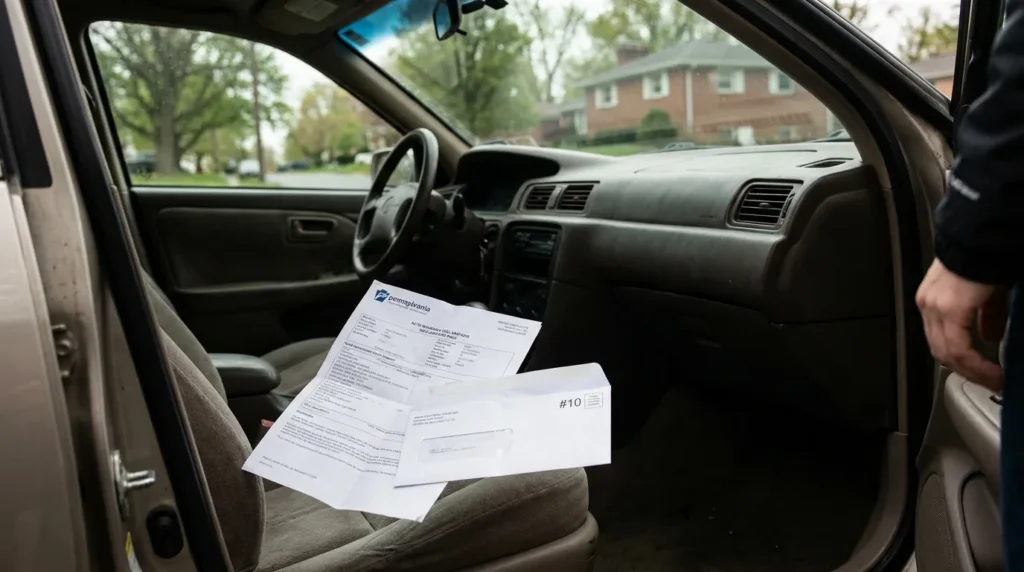
One important default protects drivers who never made an active choice. If no tort selection is made, full tort applies under 75 Pa.C.S.A. § 1705(a)(3). If you cannot recall electing limited tort, confirm what your declarations page says before assuming your claim is restricted.
💡 Pro Tip: Pull your policy declarations page and look for "limited tort" or "full tort." Insurance adjusters may treat you as limited tort by default, so confirming your actual election early can change your claim’s trajectory.
The Serious Injury Exception That Restores Your Rights
The most significant pathway to full compensation is the "serious injury" exception. Section 1705(d) provides that unless the injury is serious, limited tort policyholders cannot recover non-economic damages. The definition of "serious injury" appears in 75 Pa.C.S.A. § 1702 and is death, serious impairment of a bodily function, or permanent disfigurement. Whether an injury qualifies is fact-dependent and decided case-by-case.
Insurers often interpret this threshold aggressively. Carriers frequently deny pain and suffering claims for herniated discs or broken bones, arguing they don’t meet the serious injury definition. These denials aren’t always correct. Whether such injuries constitute serious impairment depends on medical documentation, effects on daily life, and impairment duration, though Pennsylvania courts recognize injuries need not be permanent to qualify.
Building this claim requires careful evidence preservation. The plaintiff must establish causation and injury seriousness, making medical records, imaging, and treatment history essential. For more on how coverage choices affect claims, see our guide on limited tort car insurance PA.
💡 Pro Tip: Document how your injury limits everyday activities like working, sleeping, lifting, or caregiving. Functional limitations often matter more than diagnosis alone when courts assess serious impairment.
Six Statutory Exceptions Beyond Serious Injury
Pennsylvania law lists additional circumstances that restore full tort rights for limited tort policyholders. These exceptions in 75 Pa.C.S.A. § 1705(d) apply regardless of whether your injury meets the serious injury threshold. The full text is available through Section 1705 of the Vehicle Code.
| Exception | Statutory Basis | When It Applies |
|---|---|---|
| DUI by at-fault driver | § 1705(d)(1)(i) | The at-fault driver is convicted of or accepts ARD for DUI in that accident |
| Out-of-state vehicle | § 1705(d)(1)(ii) | The at-fault driver operates a vehicle registered in another state |
| Intentional injury | § 1705(d)(1)(iii) | The person at fault intends to injure himself or another |
| No financial responsibility | § 1705(d)(1)(iv) | The at-fault driver did not maintain required insurance |
| Claims against vehicle business | § 1705(d)(2) | Claims against persons in the business of designing, manufacturing, repairing, or maintaining motor vehicles arising from a defect |
| Non-private passenger vehicle | § 1705(d)(3) | You are injured while an occupant of a vehicle other than a private passenger vehicle |
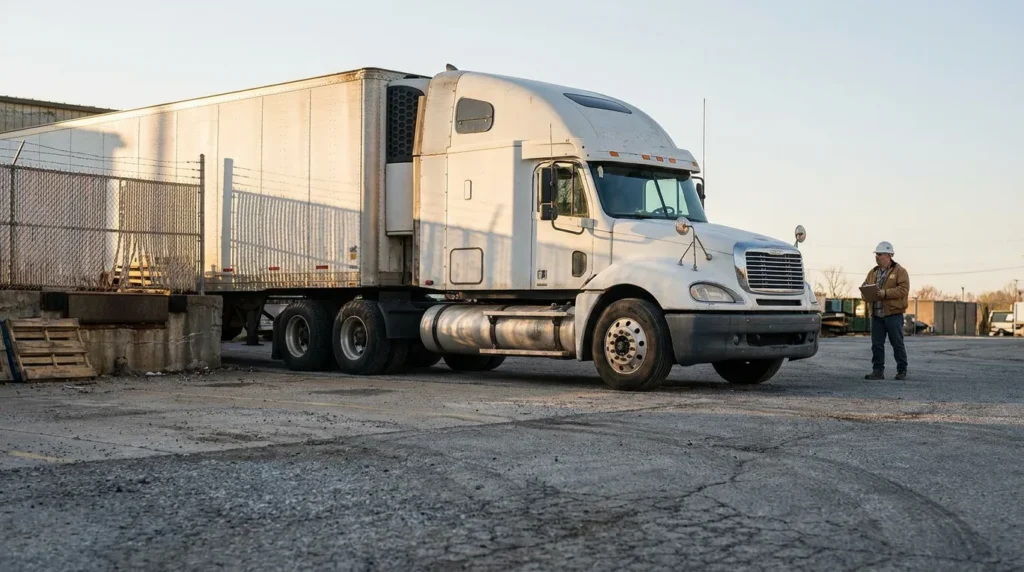
These exceptions frequently determine whether claims proceed. For example, if injured while in a commercial truck or bus, you retain full tort rights. Limited tort policyholders also retain full rights for claims against those in the business of designing, manufacturing, or repairing motor vehicles arising from defects, under Section 1705(d)(2).
The DUI and out-of-state exceptions are especially common. If the driver who hit you was convicted of DUI, accepted ARD, or operated an out-of-state vehicle, your limited tort restriction may not apply. These determinations rely on police reports, registration records, and criminal case outcomes.
💡 Pro Tip: Always obtain the official crash report. Details like the other driver’s registration state, insurance status, or DUI charge can trigger exceptions that restore your right to sue for pain and suffering.
How These Rules Affect Different Types of Crash Victims
The limited tort framework extends beyond ordinary passenger-car collisions. Pedestrians, bicyclists, motorcyclists, and commercial vehicle occupants are affected differently depending on the vehicle involved and crash circumstances. The Pennsylvania Supreme Court has confirmed that pedestrians and cyclists may pursue non-economic damages against at-fault drivers despite household policy limited tort elections.
Hit-and-run or uninsured driver victims face unique considerations. When the at-fault driver lacked required insurance, full tort rights may apply under Section 1705(d)(1)(iv). However, uninsured and underinsured motorist coverage may become the primary recovery source, and Pennsylvania law generally prevents limited tort insureds from recovering non-economic damages through their own UM or UIM coverage.
Timing matters, and deadlines are strictly interpreted. Pennsylvania’s civil statute of limitations for personal injury claims is generally two years, with narrow tolling exceptions. Connecting with an experienced PA car accident lawyer early helps preserve evidence and deadlines.
Key factors courts consider when evaluating limited tort pain and suffering claims include:
- The permanence and severity of physical impairment
- Medical documentation tying injury to the collision
- Whether any statutory exception under Section 1705(d) applies
- The injury’s effect on daily functioning
Practical Steps to Protect a Pain and Suffering Claim
Protecting your rights starts with prompt, consistent action. Seek immediate medical care, follow treatment plans, and keep detailed records, treatment gaps can challenge injury seriousness. Thorough documentation is your strongest tool when claiming serious injury under limited tort.
Be cautious with insurance adjusters. Early statements can minimize or deny non-economic damages. Adjusters aren’t obligated to explain which exceptions might apply, so identifying and proving exceptions typically falls on the injured party and counsel.
💡 Pro Tip: Avoid giving recorded statements before understanding your tort status. Unguarded sentences can be used to argue your injuries are minor, even when medical evidence suggests otherwise.
Frequently Asked Questions
-
Can I sue for pain and suffering if I have limited tort and a herniated disc?
Possibly. While insurers often deny these claims, whether a herniated disc qualifies as serious impairment under Section 1702 depends on permanence, medical evidence, and life impact. -
What counts as a "serious injury" in Pennsylvania?
Pennsylvania law defines serious injury (see 75 Pa.C.S.A. § 1702) as death, serious impairment of a bodily function, or permanent disfigurement. Courts apply this narrowly on a fact-specific basis. -
Does limited tort apply if a drunk driver hit me?
No. If the at-fault driver is convicted of or accepts ARD for DUI under Section 1705(d)(1)(i), your full tort rights are restored. -
What if I never chose limited tort?
If no selection was made, full tort applies under 75 Pa.C.S.A. § 1705(a)(3). Confirming your policy election is essential. -
How long do I have to file a claim?
Most Pennsylvania personal injury claims have a two-year statute of limitations, with narrowly interpreted exceptions.
Bringing It All Together
Limited tort does not automatically bar pain and suffering compensation in Pennsylvania. Between the serious injury threshold and six statutory exceptions under Section 1705(d), many injured parties retain rights they didn’t realize they had. Because determinations depend on specific crash facts and medical evidence, outcomes vary significantly. Understanding how Pennsylvania car accident laws apply to your situation is the first step toward pursuing owed recovery.
If you were injured and are unsure whether your limited tort election limits your claim, The Injury Pros can help evaluate your options. Call 215-642-2335 today or contact our team online to discuss your potential path to compensation.