
Winter Ice Falls in Pennsylvania: The Rule That Can Make or Break Your Claim
Key Takeaways: Pennsylvania’s hills and ridges doctrine generally protects property owners from liability for falls on naturally accumulating snow or ice during generally slippery winter conditions, unless the ice formed into ridges or elevations that unreasonably obstructed travel and remained long enough for the owner to have notice and opportunity to remove them. The doctrine adds proof requirements to the breach analysis but does not replace the four negligence elements of duty, breach, causation, and damages. It generally does not apply when ice was artificial or human-caused, when only an isolated patch existed without generally slippery conditions, when a pre-existing defect contributed, or when the possessor had notice of hidden black ice. A 2025 Pennsylvania Supreme Court decision reaffirmed that premises liability turns on possession and control rather than ownership alone. Comparative fault, visitor status, and Pennsylvania’s two-year statute of limitations all shape potential recovery.
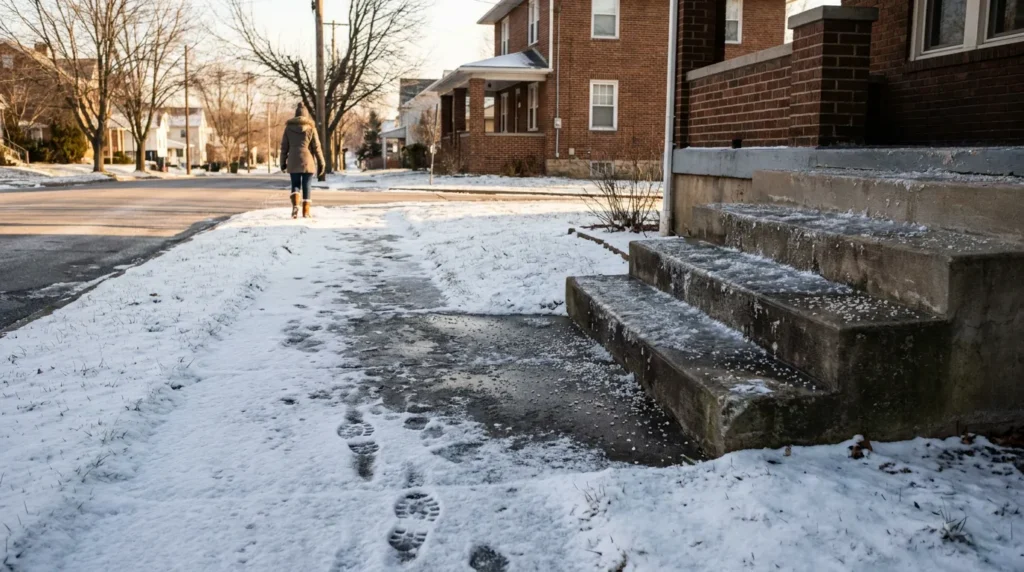
Pennsylvania’s hills and ridges doctrine generally shields property owners from liability when someone falls on naturally accumulating snow or ice during generally slippery winter conditions, unless the accumulation formed ridges or elevations that unreasonably obstructed travel and existed long enough that the possessor had notice and opportunity to remove them. The law generally does not expect owners to keep surfaces bare during active storms but does expect reasonable care once a reasonable time has passed.
If you were hurt on an icy walkway, parking lot, or stairwell, the team at The Injury Pros can help you evaluate whether this doctrine applies to your facts. Call 215-642-2335 or contact us now to discuss what happened and what evidence should be preserved.
Where the Hills and Ridges Doctrine Pennsylvania Courts Apply Comes From
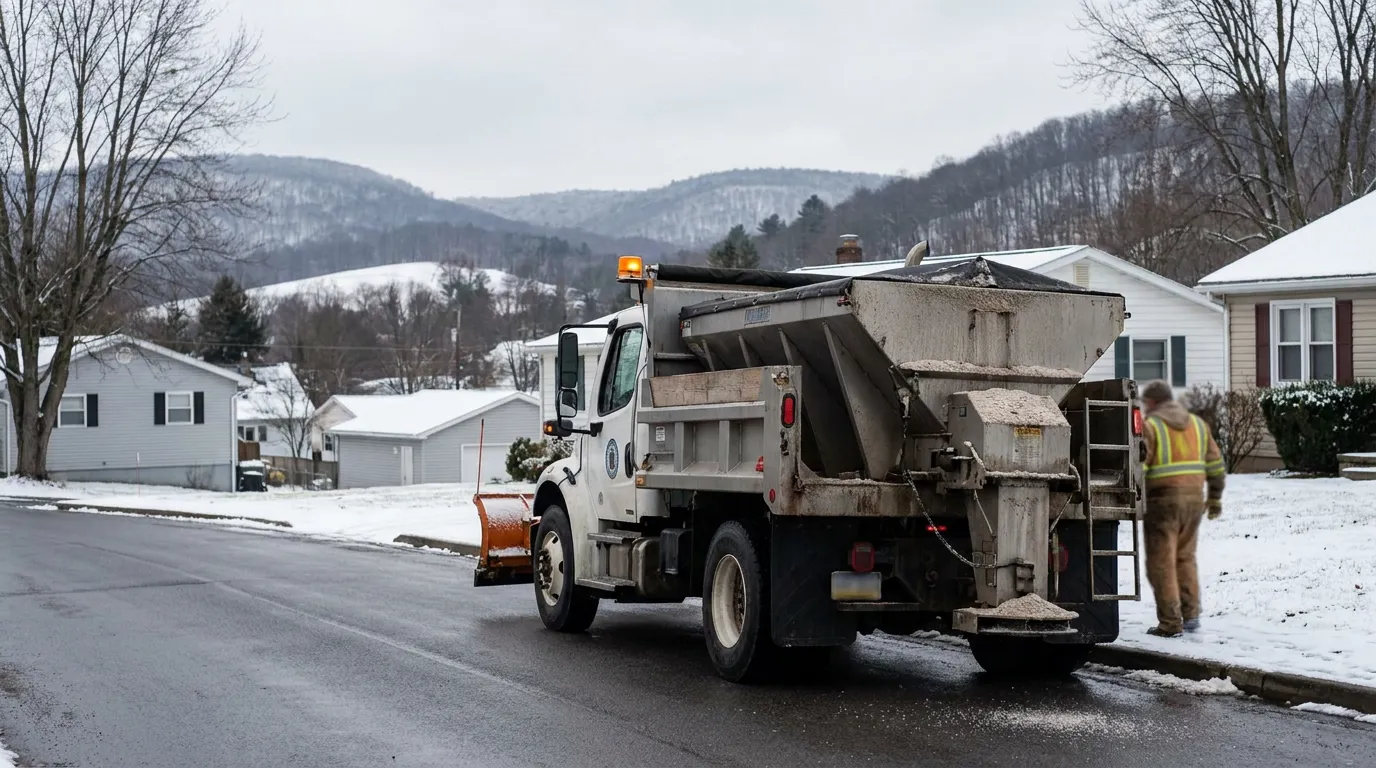
The doctrine is judge-made law, not a statute, which means its contours come from Pennsylvania appellate decisions. Pennsylvania courts developed it to account for regional winters, reasoning that requiring immediate removal of every slick patch would impose unreasonable burdens during active precipitation. Scholarly analysis published in Penn State’s Dickinson Law Review traces how Pennsylvania premises-liability doctrines have evolved through case law.
Because the rule is common law, its application is highly fact-dependent. Courts generally apply it only when generally slippery conditions existed in the community at the time of the fall. Where that predicate is missing, the case may proceed under ordinary negligence principles.
The Four Negligence Elements Still Control Your Case
Even in winter fall claims, the underlying framework is negligence. A Pennsylvania claimant must show the landowner owed a duty of care, breached that duty, that the breach caused harm, and that actual damages occurred. The hills and ridges doctrine does not replace these elements; where it applies, it adds proof requirements to the breach analysis.
Causation and damages deserve equal attention. Medical records connecting the fall to specific diagnoses, wage documentation, and treatment timelines often influence claim value as much as liability does. If you have questions about how auto insurance elections affect other claims, understanding the difference between limited and full tort can provide useful context, though those tort elections apply to motor vehicle claims rather than premises cases.
When the Doctrine Does Not Protect a Property Owner
Several recognized situations may take a case outside the doctrine entirely.
- Artificial or human-caused accumulation. Ice created by broken gutters, downspouts, faulty drainage, hoses, or improper plowing is generally not treated as natural accumulation.
- An isolated patch of ice. When generally slippery conditions did not exist throughout the community, courts have declined to apply the doctrine.
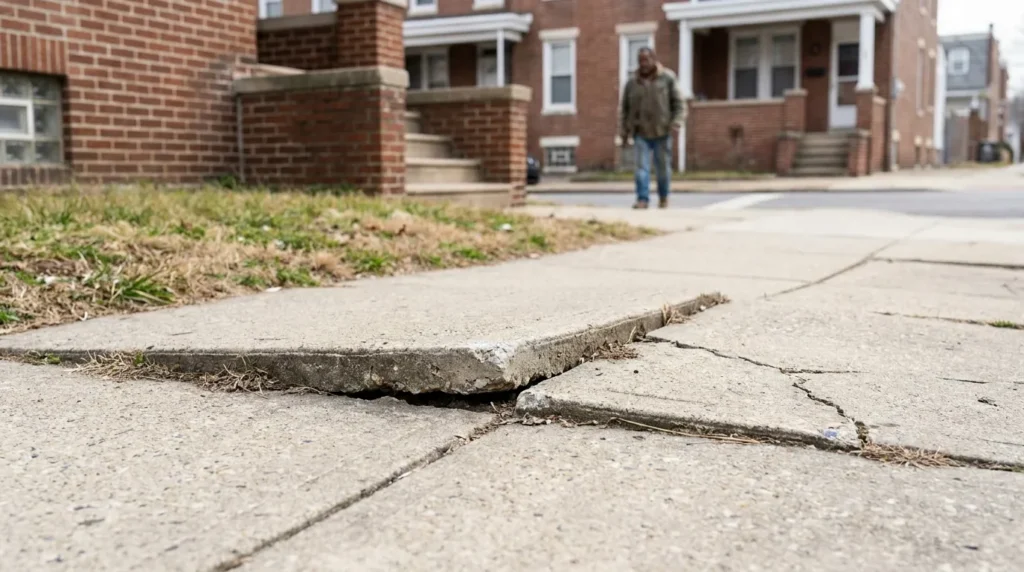
- A pre-existing defect. Where a crack, pothole, uneven step, or drainage flaw contributed to the hazard, the claim may rest on that defect instead.
- Hidden ice with prior notice. Black ice that the possessor knew about, or should have discovered through reasonable inspection, may support a breach theory.
Notice remains central. Actual notice means the possessor knew of the condition. Constructive notice means the condition existed long enough that reasonable inspection should have revealed it, often proven through weather data, maintenance logs, and witness accounts.
💡 Pro Tip: Photograph the ice from multiple angles, including a wide shot showing surrounding surfaces. Images demonstrating that only one area was icy while everything else was clear may help undercut a "generally slippery conditions" defense.
What a Recent Pennsylvania Supreme Court Decision Adds
A 2025 Pennsylvania Supreme Court decision illustrates the classic winter fall pattern and an important lesson about who to sue. In Simone v. Zakiul Alam, 35 MAP 2024 (Pa. Mar. 20, 2025), the plaintiff alleged he fell after slipping on ice on a walkway in a common area and that the ice was created by damaged or misrouted rain gutters and spouts. Those allegations matter doctrinally because ice traced to defective gutters is generally argued as an artificial condition rather than natural accumulation.
The Court reaffirmed that premises liability turns on possession and control rather than ownership alone. It explained that liability is predicated on possession and control of the premises, as opposed to ownership, and concluded that a tenant in common who did not exercise possession or control over the property is not an indispensable party in a premises liability action.
Identifying the Right Defendant
More than one party may share responsibility for snow and ice liability at a single location. Landowners, tenants, contractors, property managers, and easement owners may each owe a duty of reasonable care depending on their relationship to the property. Leases and snow-removal contracts frequently allocate maintenance obligations and can become key evidence.
How Your Status on the Property Affects the Duty Owed
A possessor of land generally owes a duty of care contingent on the person’s status as an invitee, licensee, or trespasser. Pennsylvania recognizes three categories, and the level of protection generally differs among them.
| Visitor Status | Typical Example | General Duty Owed |
|---|---|---|
| Invitee | Shopper, apartment tenant in common areas | Highest protection; reasonable inspection and correction of known or discoverable hazards |
| Licensee | Social guest | Warn of known dangers not obvious to the visitor |
| Trespasser | Uninvited entrant | Very limited; generally refrain from willful or wanton harm, subject to narrow exceptions such as those involving children |
Comparative Fault and Your Recovery
Pennsylvania is a modified comparative-fault state, so your own share of negligence may reduce the damages you collect. Under 42 Pa.C.S. § 7102, recovery is generally barred if the plaintiff’s fault is greater than the combined fault of the defendants. Insurers routinely raise arguments about footwear, distraction, or choosing an icy path in an icy sidewalk injury PA claim, so documenting why you used the walkway and what warnings existed can matter.
Why Winter Falls Carry Such High Stakes
Fall injuries are common and frequently serious. According to national fall injury data, roughly 37% of older adults who fall report an injury requiring medical treatment or restricted activity. More than one in four older adults report falling each year, with roughly 1 million fall-related hospitalizations annually. The age-adjusted fall death rate among older adults rose by about 21% from 64.7 per 100,000 in 2018 to 78.4 per 100,000 in 2024. Hip fractures are especially associated with falls, with the large majority of emergency visits and hospitalizations for hip fracture involving falls.
Practical Steps After a PA Winter Slip and Fall
What you do in the first days often shapes what can be proven months later. Ice melts, surveillance footage is overwritten, and memories fade quickly.
- Report the fall to the property manager or business and request a written incident report.
- Seek prompt medical evaluation, since gaps in treatment are commonly used to challenge causation.
- Save the footwear you wore and preserve any photos or video from the scene.
- Note the storm timing, because whether precipitation had stopped may affect the hills and ridges analysis.
- Identify witnesses and any nearby cameras before footage is lost.
💡 Pro Tip: Weather records for the specific date and location can often be decisive. Certified data showing precipitation ended well before your fall may support an argument that the possessor had a reasonable opportunity to remove the accumulation.
When Legal Guidance Becomes Important
Because the doctrine is applied case by case, early evaluation can be valuable. A hills and ridges doctrine Pennsylvania lawyer can assess whether the ice was natural or artificial, whether generally slippery conditions existed, and which parties possessed or controlled the area.
Deadlines also apply. Pennsylvania’s civil statute of limitations for most personal injury claims is generally two years under 42 Pa.C.S. § 5524, and claims against government entities generally require written notice within six months under 42 Pa.C.S. § 5522, in addition to sovereign and governmental immunity limits that restrict when such claims can proceed.
Frequently Asked Questions
1. Does the doctrine mean I can never recover for a fall on ice?
No. It generally applies to natural accumulation during generally slippery conditions. Where ice came from a defective downspout, drainage problem, or negligent plowing, the doctrine may not apply.
2. How long does a property owner have to clear snow?
Pennsylvania case law does not set a fixed number of hours. Courts consider whether a reasonable time passed after the storm ended, judged by the circumstances.
3. What if I fell on black ice I could not see?
Hidden ice claims often turn on notice. If the possessor knew or should have discovered the condition through inspection, a breach theory may be available.
4. Can I still recover if I was partly at fault?
Possibly. Under Pennsylvania’s modified comparative-fault system, your recovery may be reduced by your percentage of fault, and recovery is generally barred if your fault is greater than that of the defendants.
5. Who is responsible if a snow removal contractor was hired?
It depends on possession, control, and the contract terms. More than one party may owe a duty of reasonable care.
Understanding the Rule Before You Assume Your Case Is Over
Pennsylvania’s hills and ridges doctrine is generally narrower than many injured people assume. It generally applies to naturally accumulated snow and ice during generally slippery conditions and does not excuse a property owner who created the hazard, ignored a known defect, or failed to act within a reasonable time after a storm ended. Because liability follows possession and control, and because the negligence elements of duty, breach, causation, and damages still govern, many icy fall claims deserve a closer look than an insurer’s quick denial suggests.
If you or a family member was injured in a winter fall, the attorneys at The Injury Pros are ready to review the circumstances of your case. Call 215-642-2335 or schedule a consultation to learn more about your options.
Disclaimer: This content is for informational purposes only and is not legal advice. Every case is unique, and results may vary. Consult an attorney about your specific circumstances.