
Pennsylvania’s Hands-Free Driving Law: What Crash Victims Need to Know
If you were injured by a distracted driver in Pennsylvania, a new law may strengthen your claim. Pennsylvania’s hands-free driving law, known as Paul Miller’s Law, took effect on June 5, 2025, making it illegal for drivers to use handheld mobile devices while operating a vehicle. The law is named after Paul Miller, who was killed in 2010 when a distracted driver crossed a center divider and struck his car head-on. Understanding this law can help you protect your rights if you are hurt in a distracted driving accident in PA.
If you or a loved one has been injured in a crash caused by a distracted driver, The Injury Pros can help you understand your legal options. Call 215-642-2335 or reach out online for a free consultation.
What Paul Miller’s Law Actually Prohibits
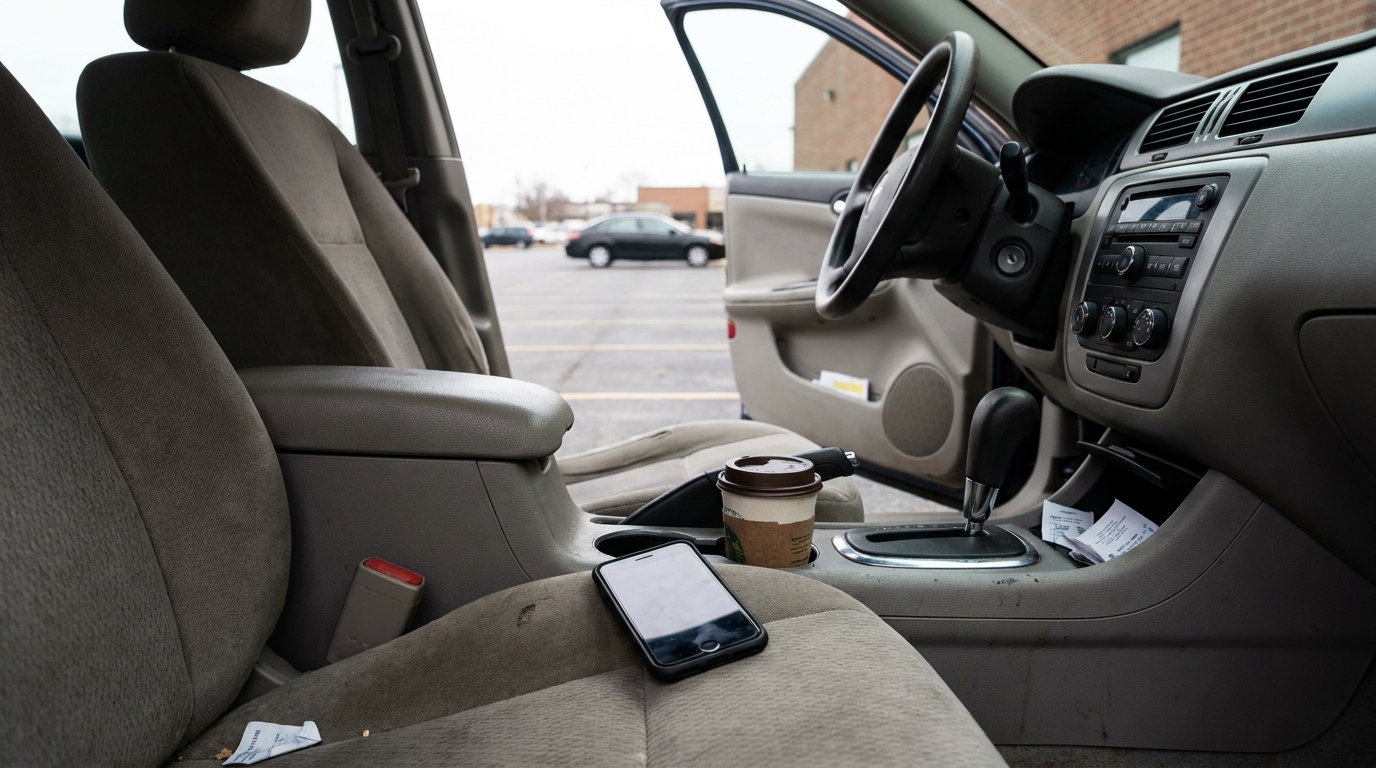
Paul Miller’s Law significantly expands Pennsylvania’s previous restrictions on phone use behind the wheel. Before this law, Pennsylvania only banned texting while driving. The new hands-free driving law prohibits drivers from using any mobile device while driving, including at red lights or in traffic.
The statute defines "use" of a device broadly. A driver is using an interactive mobile device (IMD) if they are holding it with at least one hand, supporting it with another body part, pressing more than a single button to dial or answer a call, or reaching for the device in a way that takes the driver out of a seated and belted position. Even picking up a phone from the passenger seat while driving constitutes a violation.
Exceptions Under the Law
There are limited circumstances where device use is permitted. Drivers may use an interactive mobile device only if they pull off the highway and stop in a location where the vehicle can safely remain stationary. The law also allows emergency use when necessary to communicate with law enforcement or emergency services. Single-button activation for hands-free calls and voice-activated GPS remain lawful, but physically manipulating the screen does not.
💡 Pro Tip: If you need to make a call or check directions, pull over to a safe location and stop completely before touching your phone. Even brief phone use at a red light violates Pennsylvania law.
How Enforcement Works Under the Hands-Free Law
Pennsylvania is phasing in enforcement of Paul Miller’s Law over a 12-month period. Beginning June 5, 2025, law enforcement began issuing written warnings. Officers will gain the ability to issue summary citations beginning June 6, 2026. For the first 12 months, the penalty is a written warning. Effective June 5, 2026, the penalty becomes a $50 fine plus court costs.
The consequences escalate dramatically when distracted driving causes serious harm. If a driver is convicted of homicide by vehicle while distracted, they may be sentenced up to an additional five years in prison. This enhanced penalty signals that Pennsylvania takes distracted driving fatalities seriously, which can benefit victims pursuing civil claims.
| Violation Type | Penalty (June 5, 2025, June 4, 2026) | Penalty (Starting June 5, 2026) |
|---|---|---|
| Handheld device use while driving | Written warning | $50 fine + court costs (summary offense) |
| Prior texting-while-driving ban | $50 fine (summary offense) | $50 fine (summary offense) |
| Homicide by vehicle while distracted | Up to 5 additional years in prison | Up to 5 additional years in prison |
💡 Pro Tip: A police citation or warning for a hands-free law violation serves as valuable evidence in a personal injury claim. If you were hit by a distracted driver, ask the responding officer whether the at-fault driver received a citation under Paul Miller’s Law.
Why This Law Matters for Your Langhorne Auto Accident Lawyer
Paul Miller’s Law gives injured victims a stronger foundation for proving negligence in distracted driving cases. When a driver violates a traffic safety statute and that violation causes a crash, the breach of law itself may serve as evidence of negligence. Before this law, proving distracted driving often relied on witness testimony, phone records, or circumstantial evidence. Now, a citation under this statute creates a clearer factual basis for establishing negligence.
Distracted driving remains a leading cause of injuries and deaths on American roads. In 2023, over 3,275 people died and nearly 325,000 were injured in distraction-related crashes nationally. Research confirms that hands-free laws reduce distracted driving. A 2024 report from the Governors Highway Safety Association found that distracted driving fell in states after they implemented hands-free laws. Pennsylvania now joins the growing number of states prohibiting all drivers from using handheld cellphones while driving.
Pennsylvania also maintains a preemption law that prohibits local jurisdictions from enacting their own distracted driving bans. This means the rules are uniform across every county, simplifying the legal analysis.
💡 Pro Tip: Even if the distracted driver was not cited at the scene, your attorney may be able to subpoena phone records showing the driver was actively using their device at the time of the collision. This evidence can be critical in a PA car accident claim.
How a Distracted Driving Accident Affects Your PA Car Accident Claim
A distracted driving violation does not automatically guarantee compensation, but it significantly strengthens your position. To recover damages in Pennsylvania, you must establish that the other driver owed you a duty of care, breached that duty, and that the breach caused your injuries and measurable damages. A violation of Paul Miller’s Law can help establish the breach element, but you still need to connect the violation to the crash and document your losses.
Proving Negligence and Causation
Evidence preservation is essential in distracted driving cases. If you suspect the other driver was using their phone, take photos of the scene, gather witness contact information, and request a copy of the police report. Your attorney can then pursue phone records, surveillance footage, and data from the vehicle’s event data recorder.
Insurance companies may still attempt to minimize your claim. Adjusters sometimes argue that the victim contributed to the crash or that injuries were pre-existing. Pennsylvania’s limited tort and full tort election also affects what damages you can recover. If you elected limited tort on your auto insurance policy, you may face additional hurdles in recovering for pain and suffering unless you can demonstrate a "serious injury" as defined by statute.
Filing Deadlines You Cannot Afford to Miss
Pennsylvania imposes a two-year statute of limitations for personal injury claims. Under Pennsylvania law, you generally have two years from the date of your injury to file a civil lawsuit. While courts may recognize limited exceptions such as tolling for minors, these exceptions are interpreted narrowly. Missing this deadline typically bars your claim entirely.
💡 Pro Tip: Do not wait for the at-fault driver’s criminal case to resolve before pursuing your civil claim. The two-year statute of limitations runs from the date of your injury, not from the date of any criminal conviction.
Protecting Your Rights After a Distracted Driving Crash in Langhorne
Taking the right steps immediately after a crash can make or break your claim. If you are able, call 911 and report the accident. Seek medical attention even if you feel fine because many injuries present delayed symptoms. Follow up with your doctor consistently and keep all records of treatment, lost wages, and out-of-pocket expenses.
You should also consider the following steps to protect your claim:
- Document the scene with photos and video, including damage to all vehicles, road conditions, and traffic signals
- Obtain the other driver’s insurance information and note whether they were holding a phone
- Do not provide recorded statements to the other driver’s insurance company without first consulting an attorney
- Request a copy of the police report and confirm whether any citations were issued under Pennsylvania’s distracted driving law
💡 Pro Tip: If a witness saw the other driver on their phone before the crash, get their name and contact information at the scene. Witness testimony can corroborate phone records and strengthen your case significantly.
Frequently Asked Questions
1. Can I still use my phone for GPS navigation under Paul Miller’s Law?
You may use GPS and other functions through voice commands or single-button activation without holding the device. The law targets physical interaction with the phone while driving. Mounting your phone on a dashboard holder and using voice-activated navigation generally falls outside the prohibited conduct. However, scrolling through a maps app or typing in an address while driving would violate the law.
2. Does a distracted driving citation prove the other driver was at fault for my crash?
A citation is strong evidence of negligence, but it does not automatically prove fault. You must still demonstrate that the distracted driving caused your crash and resulted in your injuries. An experienced Bucks County auto accident attorney can help you build the evidentiary record needed to connect the violation to your damages.
3. What if I was partially at fault for the accident?
Pennsylvania follows a modified comparative negligence standard. Under 42 Pa. C.S. § 7102, you can recover damages as long as your share of fault does not exceed 50%. Your compensation is reduced by your share of responsibility. Even if the insurance company alleges you were partly at fault, the other driver’s phone use may still support a strong claim.
4. How long do I have to file a lawsuit after a distracted driving accident in PA?
Pennsylvania’s statute of limitations for personal injury claims is generally two years from the date of injury. Courts interpret tolling exceptions narrowly, so you should not assume additional time is available. Consulting an attorney promptly helps ensure you preserve your rights and meet all applicable deadlines.
5. What damages can I recover if a distracted driver injured me?
Depending on your case, you may be entitled to compensation for medical expenses, lost wages, pain and suffering, and other losses. In wrongful death cases, surviving family members may pursue additional claims. The amount and type of recoverable damages depend on your tort election, the severity of your injuries, and the available insurance coverage.
Take Action to Protect Your Claim Today
Pennsylvania’s hands-free law marks a significant shift in how distracted driving is treated on the road and in the courtroom. Paul Miller’s Law gives crash victims a stronger legal framework for holding negligent drivers accountable, but building a successful claim still requires prompt action, thorough evidence, and a clear understanding of Pennsylvania’s procedural rules. If you or someone you love has been injured by a distracted driver in Langhorne or anywhere in Bucks County, do not wait to explore your legal options.
Contact The Injury Pros today to discuss your case in a free consultation. Call 215-642-2335 or send us a message to get started. The sooner you act, the better positioned you will be to protect your rights and pursue the compensation you deserve.