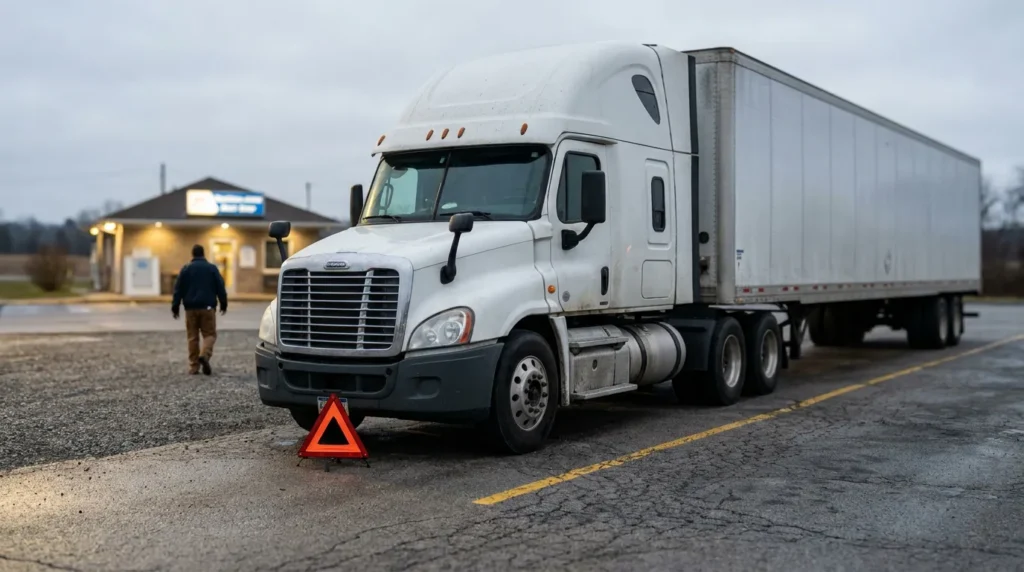

How Pennsylvania Law Decides Whether Truck Brakes Are Unsafe
Key Takeaways: Under Pennsylvania law, a truck’s brakes are generally too defective for the road when they can’t control, stop, and hold the vehicle on any grade under all loading conditions, or when an inspector reasonably judges that driving it further would be hazardous. 75 Pa.C.S. § 4502 sets the basic brake duties. Federal rules in 49 CFR Part 393 add detailed standards, and Pennsylvania has largely adopted them for intrastate carriers. Inspectors use the CVSA out-of-service criteria to decide when a truck must be pulled off the road, including when 20 percent or more of a vehicle’s service brakes are defective. Carriers that "cause or permit" operation of such a truck may be held liable, but the injured person must still prove the violation caused the harm. Act quickly to preserve maintenance records, inspection reports, and ECM data, because Pennsylvania generally allows only two years to file suit.
A truck’s brakes are generally considered too defective for Pennsylvania roads when they can no longer stop and hold the vehicle as the law requires, or when an inspector reasonably judges that driving the truck further would be hazardous. Pennsylvania’s Vehicle Code requires working service and parking brakes. Federal rules add specific standards for brake parts, maintenance, and stopping performance. After a crash, these standards may help show whether brake failure was preventable and who may be responsible.
If you or someone you love was hurt in a crash with a commercial truck, the trucking company’s maintenance records and inspection history may matter a great deal. The Injury Pros can review what happened and help protect key brake evidence before it is lost. Call 215-642-2335 or contact us now to talk about your situation.
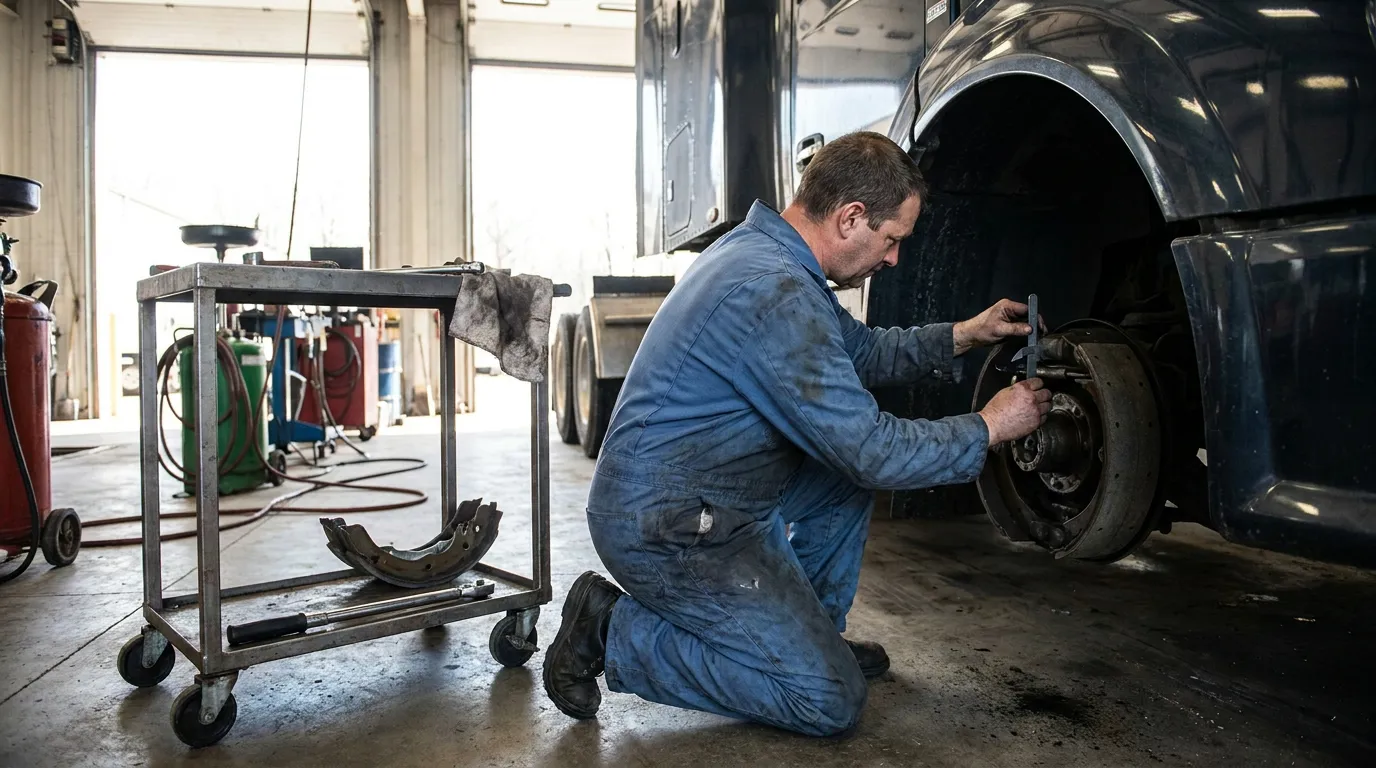
Pennsylvania’s Basic Brake Duties for Every Truck
The starting point for any brake claim is 75 Pa.C.S. § 4502(a)-(b). Every vehicle and combination on a Pennsylvania highway must have service brakes that can control, stop, and hold it on any grade, under all loading conditions, and meet performance standards set by PennDOT regulation. Every vehicle except a motorcycle also needs a parking brake that can hold it on any grade under all loading conditions, on a surface free of snow, ice, or loose material.
These duties are broad on purpose. A loaded tractor-trailer descending a steep grade strains its brakes far more than an empty truck on flat ground, but a heavy load or steep hill generally does not excuse brakes that can’t do the job. The full text appears in Pennsylvania’s Vehicle Code, Title 75.
Breakaway Protection for Trailers
Combination vehicles face an added requirement under 75 Pa.C.S. § 4502(c). If a towed vehicle has brakes or weighs more than 3,000 pounds, it must stop and hold automatically if it breaks away. The towing vehicle must still be able to stop with its own service brakes. This rule may be central in crashes involving trailer brake failure or a trailer that separates from the tractor.
Federal Truck Brake Inspection Standards
Federal motor carrier safety rules set more detailed standards for commercial trucks. Under 49 CFR § 393.40, commercial motor vehicles generally must have brakes adequate to control movement and to stop and hold the vehicle, including service, parking, and emergency systems. These rules apply directly to interstate carriers, and Pennsylvania has adopted most of them for intrastate carriers. 49 CFR Part 393, Subpart C also covers brake tubing, hoses, and system condition.
Several federal sections often come up in brake violations:
- 49 CFR § 393.45: requirements for adequate brake tubing and hoses
- 49 CFR §§ 393.47 and 393.48: rules on brake lining, drums, and keeping brakes operable and free of defects such as cracks, audible air leaks, or worn linings
- 49 CFR § 393.52: minimum stopping distance and deceleration standards based on vehicle speed
Together, these rules give an objective measuring stick. If a post-crash inspection finds an air leak, a cracked drum, or brakes that could not meet required stopping distances, that may support a claim that the truck should not have been on the road. Investigators must also rule out crash damage, and whether the defect caused the crash usually depends on the facts and engineering analysis.
When Truck Brake Failure Becomes an Out-of-Service Violation
Pennsylvania law lets officers take a dangerous truck off the road right away. Under 75 Pa.C.S. § 4704(c)(1), if an officer reasonably judges that a vehicle, its equipment, load, or driver is in such condition that further operation would be hazardous, the officer may order that the vehicle not be driven under its own power. For motor carrier vehicles, these decisions must be based on out-of-service criteria set in PennDOT regulations.
The CVSA Out-of-Service Criteria and the 20 Percent Rule
The statute itself does not set a number for how many brakes can be defective. Those thresholds come from regulations and the CVSA out-of-service criteria. Under the commonly cited 20 percent criterion, a vehicle or combination may be placed out of service when 20 percent or more of its service brakes are defective. Because thresholds can change, the current CVSA handbook and PennDOT regulations should be checked for any specific case. Individual conditions, such as severe air leaks, missing parts, and badly worn linings, may also put a truck out of service on their own.
National enforcement campaigns use these same standards. CVSA’s Operation Airbrake program aims to reduce crashes caused by faulty brakes through roadside inspections, including an annual Brake Safety Week. Because Pennsylvania has adopted the CVSA criteria, out-of-service brakes found in a Pennsylvania roadside stop are typically judged by widely accepted national standards.
Notice of Violation and Repair Deadlines
Not every defect leads to an immediate shutdown, but a known problem must be fixed promptly. Under 75 Pa.C.S. § 4704(b)(1)-(3), an officer with probable cause to believe a vehicle is unsafe or improperly equipped may issue a written notice. For motor carrier vehicles, repairs generally must be shown within 15 days or before the next trip, whichever comes first. After that, the truck cannot be driven on Pennsylvania highways until compliance is shown.
💡 Pro Tip: Ask whether the truck received any prior inspection notices or out-of-service orders. A defect flagged before the crash and not fixed may be strong evidence that the carrier knew about the danger.
How Unsafe Truck Brakes Support a Negligence Claim
Pennsylvania makes it unlawful to run a truck with hazardous brakes. Under 75 Pa.C.S. § 4107(b)(2.1), it is unlawful to operate a motor carrier vehicle, bus, or school bus whose brakes meet the out-of-service standard of § 4704(c)(1). Under § 4107(b), it is also unlawful to operate, or cause or permit someone else to operate, a vehicle that is unsafe or not equipped as required.
The "cause or permit" language matters for trucking company negligence. A carrier that sends a driver out in a truck with failing brakes may face its own liability, not just the driver. Maintenance contractors, cargo loaders, and parts manufacturers may share fault too. A court may treat a safety-statute violation as negligence per se or as evidence of negligence, but the injured person generally must still prove the violation caused the harm. Under Pennsylvania’s modified comparative negligence rule, recovery may be reduced, or barred if the injured person is more than 50 percent at fault.
| Violation Under 75 Pa.C.S. § 4107(d) | Driver Fine | Carrier or Person Who Permits Operation |
|---|---|---|
| Hazardous brakes (single charge) | $150 | $300 |
| Hazardous brakes (multiple charges filed together) | $300 per violation | $600 per violation |
| General equipment violation placing vehicle out of service | Starting at $50 per violation | Starting at $100 per violation |
These fines are part of the criminal and administrative side of the law and are separate from a civil injury lawsuit. Amounts can change, so the current statute should be checked. A citation may be useful evidence, though its admissibility in a civil case may be limited, and the lack of a citation does not mean the brakes were safe.
Evidence That Can Prove Defective Truck Brakes in Pennsylvania
Brake evidence can disappear quickly once a truck is repaired, sold, or put back into service. In fatal crashes, 75 Pa.C.S. § 4704(c)(2) requires a qualified Commonwealth employee to inspect the vehicle, its equipment, load, driver, and documents before the vehicle or driver can continue. That report may be key evidence. In non-fatal crashes, an inspection is not guaranteed, so prompt action matters.
Useful records often include maintenance and repair logs, driver vehicle inspection reports, roadside inspection history, ECM or black box data, and ELD data. Some may be kept only for limited periods under federal rules. A preservation letter sent early may help keep the truck and its records from being altered or destroyed. Our truck accident resources explain more about how these records fit into a claim.
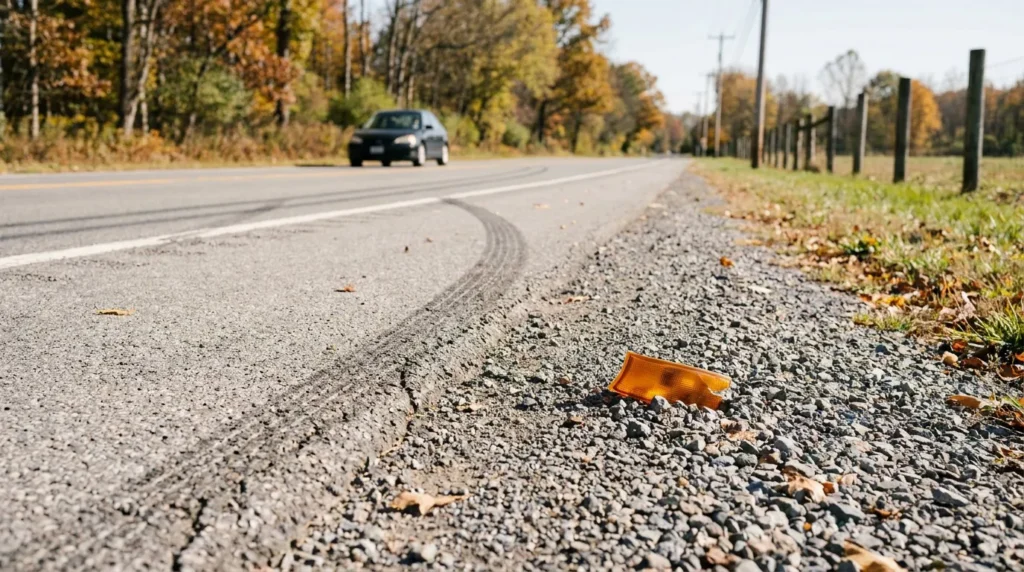
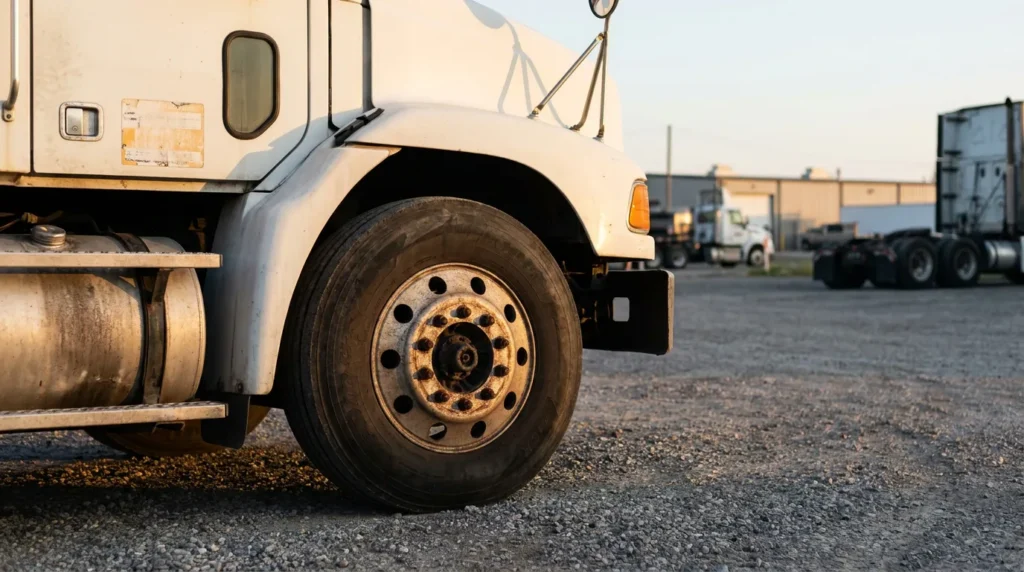
💡 Pro Tip: Photos of skid marks, the truck’s wheels, and any fluid or smoke at the scene may help engineers rebuild how the brakes performed, even if the truck is later repaired.
Keep in mind that deadlines apply. Pennsylvania generally allows two years to file a personal injury or wrongful death suit under 42 Pa.C.S. § 5524. For wrongful death, the clock usually runs from the date of death. Exceptions, such as the discovery rule or tolling for minors, are narrow. Claims against government entities generally require written notice within six months under 42 Pa.C.S. § 5522.
Frequently Asked Questions
1. What counts as truck brake failure under Pennsylvania law?
Generally, brakes fail the legal standard if they cannot control, stop, and hold the truck on any grade under all loading conditions, as 75 Pa.C.S. § 4502(a) requires. Specific defects listed in federal rules may also show the brakes were unsafe.
2. What is the 20 percent defective brake criterion?
It is a commonly cited CVSA out-of-service benchmark, adopted through PennDOT regulations, that applies when 20 percent or more of a vehicle’s service brakes are defective. It does not come from the Pennsylvania statute itself, and the current version should be confirmed for each case.
3. Can the trucking company be liable if the driver was not at fault?
In some cases, it may be. Under 75 Pa.C.S. § 4107(b), a person who causes or permits an unsafe vehicle to operate may violate the law, which may support a negligence claim against the carrier. A carrier may also be responsible for its own maintenance failures.
4. Does a roadside inspection report prove my case?
Not on its own. It may be strong evidence, but you generally must still prove the brake defect caused the crash and your injuries.
5. How quickly should I act after a crash?
As soon as possible. Trucks can be repaired and records overwritten. The two-year deadline under 42 Pa.C.S. § 5524 has limited exceptions, and claims against government entities have a shorter six-month notice requirement.
Putting Brake Standards to Work for Injured Victims
Pennsylvania and federal law set clear duties for truck brakes, from basic stopping power to out-of-service criteria and repair deadlines. When a carrier ignores those duties, the violation may help show negligence in an injury claim, as long as it caused the harm. A Pennsylvania truck accident lawyer can help sort out which parties may share responsibility.
You do not have to figure out the brake records and inspection reports alone. The Injury Pros team can help investigate your crash and pursue any compensation you may be eligible for. Call 215-642-2335 today or schedule your free consultation to get started.
Disclaimer: This content is for informational purposes only and is not legal advice. Every case is unique, and results may vary. Consult an attorney about your specific circumstances.