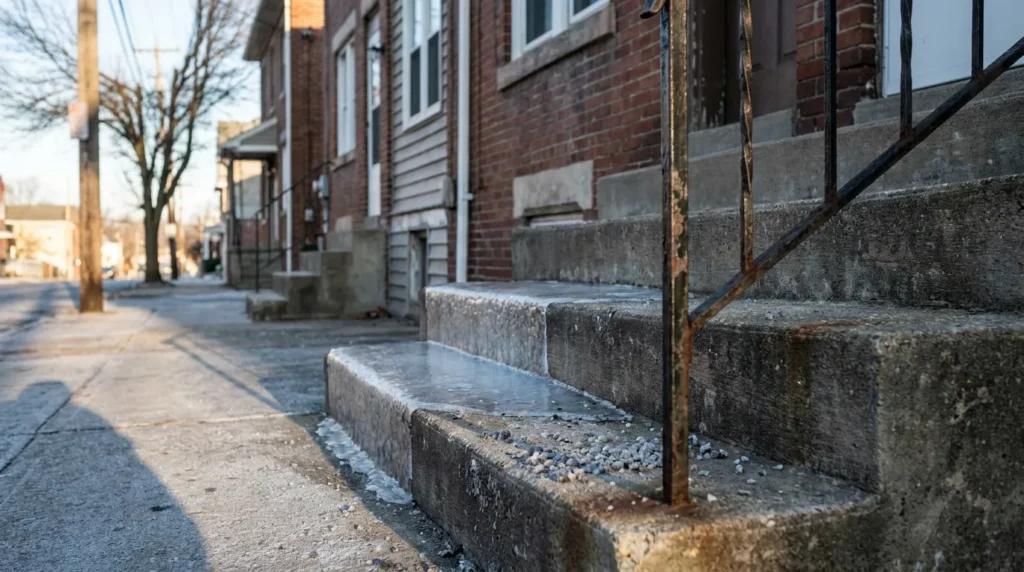

When Is a Hazard Too Obvious to Blame the Property Owner?
Key Takeaways: Pennsylvania courts generally decide whether a hazard was open and obvious with an objective test. They typically ask whether a reasonable person in the visitor’s position would have both noticed the danger and understood the risk, not what the injured person actually saw. Courts may look at lighting, the nature of the hazard, sight lines, warnings, and whether the risk would have been understood, and one factor rarely decides a case alone. Obviousness is usually a question of fact for a jury, and a judge generally decides it only when reasonable minds could not differ. Even if a hazard was partly visible, Pennsylvania’s comparative negligence rule under 42 Pa.C.S. § 7102(a) may reduce your recovery rather than end your claim, unless your share of fault is greater than the combined fault of the defendants you are seeking recovery from. Claims involving government property, sidewalks, or free recreational land generally follow extra statutory rules, and most premises claims must be filed within two years.
Pennsylvania courts generally decide whether a hazard was "open and obvious" by asking what a reasonable person in the visitor’s position would have seen and understood, not what the injured person actually noticed. This objective standard comes from Pennsylvania case law, which generally follows the Restatement (Second) of Torts § 343A. Under that rule, a property owner usually is not liable for a danger that is known or obvious to visitors, unless the owner should have anticipated the harm despite that knowledge or obviousness. If the property owner or its insurer says "you should have seen it," that is a starting point for argument, not necessarily the end of your case.
If an insurance company is using the open and obvious argument against your claim, you can get answers before you respond. The Injury Pros can review how the hazard looked when you fell and explain your options. Call 215-642-2335 or contact us now for a free case review.
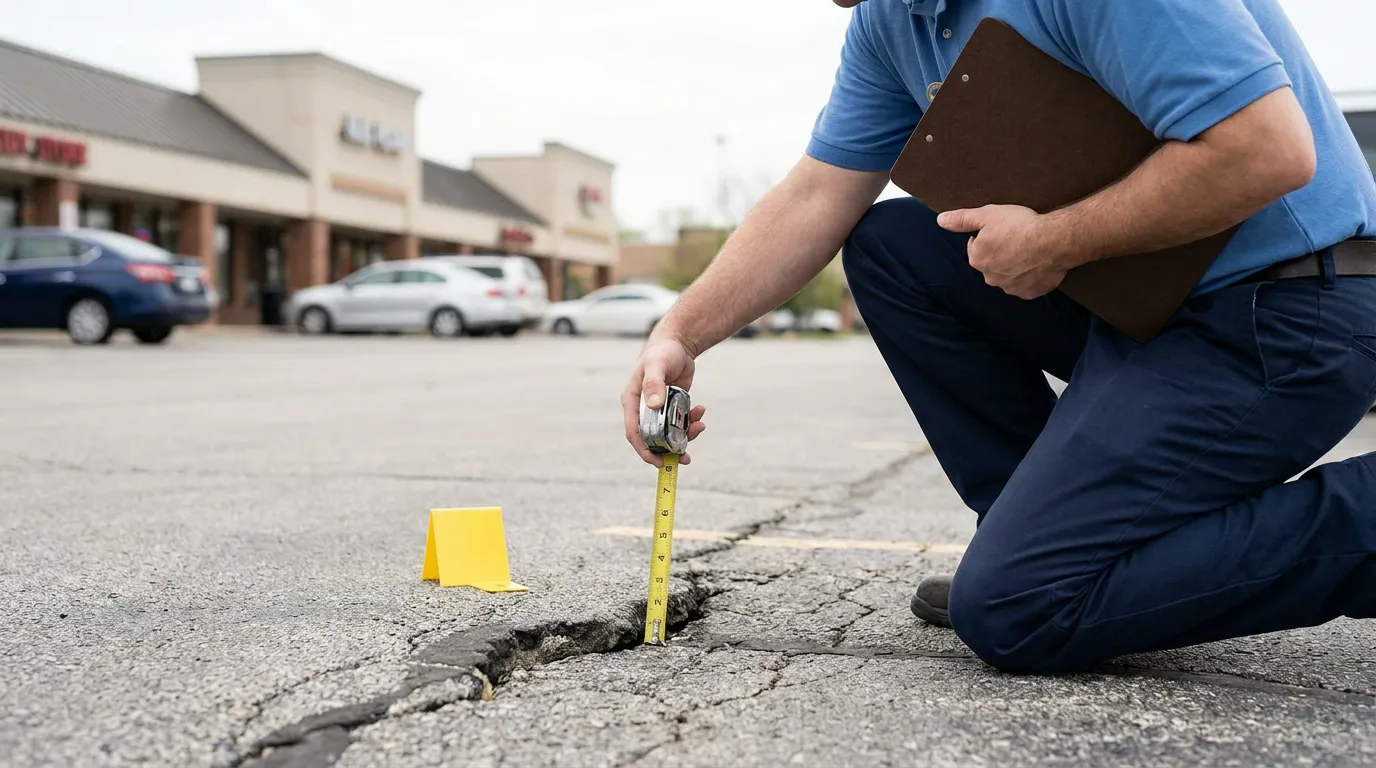
Understanding the Open and Obvious Doctrine in Pennsylvania
The open and obvious doctrine is a common-law rule built by Pennsylvania court decisions. No statute created it. It comes into play during the "duty" stage of a negligence claim, and the duty owed also depends on the visitor’s status, such as invitee, licensee, or trespasser. In a typical premises case, the injured person has to show four things:
- The property owner owed a duty of care to the visitor
- The owner breached that duty by allowing an unsafe condition or failing to warn about it
- The breach caused the injury
- The injury led to measurable damages, such as medical bills or lost wages
When a court finds a danger truly open and obvious, it may hold that the owner owed no duty to protect against it or warn about it, and the claim can end there. The exception is that if the owner should have anticipated visitors would be hurt even though the danger was visible, the owner may still owe a duty.
Why Liability Turns on Fault
Most premises claims are negligence claims, so they generally depend on fault. According to Cornell’s Wex legal dictionary, legal responsibility for omissions can expose a person or business to a lawsuit for the resulting damages. Premises cases in Pennsylvania generally do not involve strict liability. The question is typically whether the owner acted reasonably given what it knew or should have known about the hazard.
How the Reasonable Person Test Shapes the Outcome
The reasonable person test asks whether an ordinary, careful visitor would have both noticed the hazard and understood the risk it posed. A visitor might see a wet floor without knowing how slippery it is, or notice a step without realizing it is uneven.
Factors Pennsylvania Courts Commonly Weigh
Courts generally look at the conditions around the hazard, not just the hazard itself. Decisions commonly consider several recurring factors:
| Factor | Questions Courts May Consider |
|---|---|
| Lighting | Was the area dim, shadowed, or glaring? |
| Nature of the hazard | Was it clear liquid, a small height difference, or a large, visible obstacle? |
| Sight lines | Did displays, crowds, or a turn in the walkway block the view? |
| Warnings | Were signs or cones posted and easy to see? |
| Appreciation of risk | Would a reasonable person have understood how dangerous it was? |
One factor rarely decides a case alone. A spill under bright lights may be treated differently than the same spill in a dark stairwell.
💡 Pro Tip: Go back to the scene soon, at about the same time of day, and photograph the lighting and the view from the direction you were walking. Conditions such as daylight and temporary signs can change quickly.
Who Decides: Judge or Jury?
Whether a hazard was open and obvious is usually a question of fact for the jury. A judge may decide it as a matter of law only when reasonable minds could not differ about how obvious the danger was. If the evidence about visibility is genuinely disputed, the case is less likely to be dismissed on summary judgment.
When an Obvious Hazard Reduces, Rather Than Defeats, Your Claim
When Pennsylvania courts decide a hazard was not clearly open and obvious, the question of what you should have noticed often becomes a comparative negligence issue. Under 42 Pa.C.S. § 7102(a), a plaintiff’s own negligence generally does not bar recovery as long as it was not greater than the combined causal negligence of the defendants the plaintiff is seeking recovery from. Damages are reduced in proportion to the plaintiff’s share of fault.
As a result, the obviousness argument can affect a case in two ways. A defendant may use it to try to defeat the duty element entirely. If that fails, the same facts may be used to argue that your recovery should be reduced. For example, if a jury found you 20% at fault, your award would generally be reduced by 20%. If your share of fault were greater than the defendants’ combined share, you could not recover.
Special Rules for Sidewalks, Public Property, and Recreational Land
Hazards on government property generally follow additional statutory rules on top of the common-law doctrine. Under the Political Subdivision Tort Claims Act, 42 Pa.C.S. § 8542(a), a local agency is generally liable only if the damages would be recoverable against a party without immunity, the injury was caused by the negligent act of the agency or its employee acting within the scope of their duties, and the injury falls within a listed exception. Municipalities may also raise the open and obvious defense.
Sidewalk Defects
For sidewalks within the rights-of-way of streets owned by a local agency, 42 Pa.C.S. § 8542(b)(7) generally requires the injured person to show that the dangerous condition created a reasonably foreseeable risk of the kind of injury that happened. The person must also show that the agency had actual notice of the condition, or could reasonably be charged with notice, in time to fix it. The adjacent property owner is primarily liable and the local agency only secondarily liable, which may affect who should be named in the lawsuit.
State Property and Recreational Land
Under 42 Pa.C.S. § 8522(b)(4)-(5), sovereign immunity is waived in certain circumstances for dangerous conditions of Commonwealth agency real estate, highways, and sidewalks, and for potholes and other dangerous conditions on Commonwealth highways. For potholes and sinkholes, the claimant generally must show that the agency had actual written notice in time to fix the condition. Land opened to the public free of charge for recreation is a separate category. The state’s Recreational Use of Land and Water Act, 68 P.S. §§ 477-1 to 477-8, generally shields those landowners unless they willfully or maliciously failed to guard or warn against a dangerous condition, or charged a fee for entry. As a result, the ordinary open and obvious analysis may not apply on that land.
Deadlines That Could Affect Your Premises Claim
Most Pennsylvania premises injury claims generally must be filed within two years under 42 Pa.C.S. § 5524(2). Section 5524(7) applies the same two-year period to other negligence-based claims for injury to a person or property. Exceptions that pause or extend this deadline, such as tolling for minors, are interpreted narrowly and do not apply automatically. Claims against government entities generally also require written notice within six months of the injury under 42 Pa.C.S. § 5522, so it is wise to have an attorney look at your case early.
💡 Pro Tip: Write down everything you remember while it is fresh, including whether signs were posted and what blocked your view. A detailed early account may later help show why a reasonable person would not have noticed the hazard.
For more guides on injury claims, visit our Pennsylvania injury law resources.
Frequently Asked Questions
-
Does "open and obvious" mean I automatically lose my case?
Not necessarily. Courts usually treat obviousness as a factual question for a jury unless reasonable minds could not differ. If the hazard was not clearly obvious, your own carelessness may reduce your recovery without eliminating it, as long as your fault is not greater than the defendants’ combined fault.
-
Does it matter that I personally didn’t see the hazard?
Courts generally apply an objective standard, so the question is typically what a reasonable person would have noticed. Your own account still matters because it helps explain conditions such as lighting and obstructions.
-
Can a property owner be liable even if a hazard was visible?
In some cases, yes. Under Restatement § 343A, an owner may still be liable if it should have anticipated harm despite the danger being obvious, such as when visitors have no practical way to avoid the hazard.
-
What if I tripped on a city sidewalk?
Under 42 Pa.C.S. § 8542(b)(7), you generally must prove foreseeability and that the agency had actual or constructive notice in time to fix the condition. The adjacent property owner is primarily liable, and a six-month written notice requirement generally applies to claims against the municipality.
-
How long do I have to file?
Generally two years under 42 Pa.C.S. § 5524. Limited exceptions may apply, and courts construe them narrowly. Claims against government entities also generally require written notice within six months.
Protecting Your Rights After a Fall
In Pennsylvania, whether a hazard was open and obvious generally depends on an objective, fact-specific look at lighting, visibility, warnings, and whether a reasonable person would have understood the risk. Even when a hazard was partly visible, comparative negligence rules may still allow you to recover reduced damages, as long as your share of fault is not greater than the defendants’ combined share. Speaking with an experienced open and obvious doctrine lawyer can help you understand how these rules apply to your situation.
If an insurer has blamed you for your own fall, it may help to get a second look at the facts. The Injury Pros are trusted by injured Pennsylvanians to review premises claims. Call 215-642-2335 or schedule your free consultation today.
Disclaimer: This content is for informational purposes only and is not legal advice. Every case is unique, and results may vary. Consult an attorney about your specific circumstances.