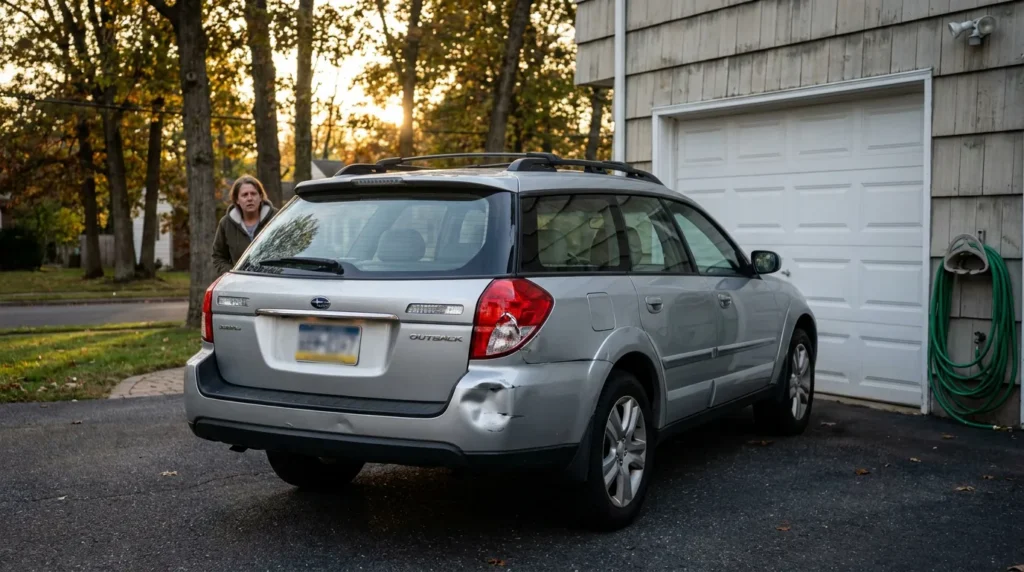

Understanding Compensation After a Pennsylvania Crash
Key Takeaways: Injured Pennsylvania drivers can recover economic damages (medical bills, lost wages, property damage) and non-economic damages (pain, suffering, loss of enjoyment), though claiming the latter depends on your limited or full tort election. In fatal crashes, families may pursue wrongful death and survival claims. Recovery hinges on Pennsylvania’s modified comparative negligence rule, which reduces recovery by your share of fault and bars it entirely if your fault exceeds 50 percent. When multiple parties are at fault, the Fair Share Act generally limits each defendant to its apportioned share of damages. Proving negligence requires establishing duty, breach, causation, and damages, making early evidence preservation and prompt medical care essential. Personal injury claims face a strict two-year statute of limitations, so acting quickly is critical.
If you were hurt in a collision, you may recover money for medical bills, lost income, property damage, and the physical and emotional toll the wreck took on your life. Pennsylvania law allows injured drivers to seek both economic and non-economic damages, though the amount you collect depends on your degree of fault, insurance coverage, and how thoroughly your losses are documented. Understanding these categories early helps you make informed decisions about your claim.
Getting reliable guidance matters when your health and finances are on the line. The team at The Injury Pros helps injured Pennsylvanians understand their options, and you can call 215-642-2335 or request a free consultation to discuss the facts of your crash.
Types of Damages You May Recover in a Car Accident Law Suit
Pennsylvania recognizes several categories of compensation, and the right combination depends on the severity of your injuries and available coverage. Damages in a car accident law suit fall into two buckets: economic losses with clear dollar figures, and non-economic losses that compensate for harm that is real but harder to quantify.
Economic Damages
Economic damages reimburse concrete, out-of-pocket costs tied to your crash. These losses are proven with bills, pay stubs, and repair estimates, making documentation essential. Common economic damages include:
- Past and future medical treatment, including surgery, therapy, and rehabilitation
- Lost wages and reduced earning capacity
- Property damage to your vehicle and personal belongings
- Out-of-pocket expenses such as transportation to medical appointments
💡 Pro Tip: Keep a dedicated folder for every receipt, invoice, and mileage log connected to your recovery. Gaps in documentation are one of the most common reasons an insurer undervalues a claim.
Non-Economic Damages
Non-economic damages compensate for losses without receipts but that profoundly affect your life. These may include pain and suffering, emotional distress, disfigurement, and loss of life’s enjoyment. Your ability to pursue these damages often turns on your auto insurance election, because your tort option can limit or preserve your right to sue for pain and suffering. Reviewing the distinction between limited tort and full tort coverage before filing can clarify what your policy allows.
In fatal crashes, surviving family members may pursue wrongful death and survival claims. These claims can seek funeral costs, lost financial support, and loss of companionship. They follow their own rules and deadlines, making early legal review important for grieving families.
How Pennsylvania’s Fault Rules Shape Your Recovery
How much you collect depends on who was at fault and by how much. Pennsylvania uses a modified comparative negligence framework and applies special rules when multiple defendants contributed to the crash.
Modified Comparative Negligence
Under modified comparative negligence, your recovery is reduced by your share of fault and barred if your fault exceeds 50 percent. In Pennsylvania, a plaintiff can recover reduced damages only if their fault is not greater than the combined fault of defendants. You can review how Pennsylvania fits within the broader landscape of comparative negligence rules that vary by state.
Pennsylvania regulation also limits how aggressively an insurer can apply your alleged fault. Under 31 Pa. Code § 146.9, comparative negligence should not reduce a settlement without reasonable evidence of the negligence and its relationship to total negligence involved. That protection matters when an adjuster tries to shift blame without support.
💡 Pro Tip: Avoid giving a recorded statement or accepting blame at the scene. Even an offhand apology can later be framed as an admission that increases your assigned percentage of fault.
The Fair Share Act and Multiple Defendants
When several parties share responsibility, Pennsylvania’s Fair Share Act controls how liability is divided. The landmark Pennsylvania Fair Share Act, codified at 42 Pa.C.S. § 7102, abolished joint and several liability in most negligence and strict liability cases. Under the Act, each defendant generally pays only its apportioned share of your damages, though joint liability can still apply when a defendant is found at least 60 percent at fault.
Pennsylvania appellate courts continue to refine how the Act applies. In Spencer v. Johnson, 249 A.3d 529 (Pa. Super. 2021), a case involving a pedestrian struck by a drunk driver, the Superior Court addressed molding a verdict where combined defendant liability exceeded 60 percent. Because this area remains fact-dependent, outcomes vary based on how fault is apportioned in your specific case.
Proving Negligence: The Foundation of Your Claim
Every car accident law suit built on negligence requires proof of four elements: duty, breach, causation, and damages. All drivers have a duty to operate vehicles safely, and a driver who runs a red light or texts behind the wheel may breach that duty. You must connect that breach to your injuries and show measurable losses.
Preserving evidence early strengthens each element. Photographs, police reports, medical records, and witness information help establish what happened and why the other driver is responsible. Delayed symptoms are common after collisions, so prompt medical care protects your health and documents the link between the crash and your injuries.
💡 Pro Tip: See a doctor within a day or two of any crash, even if you feel fine. Adrenaline can mask soft-tissue and head injuries, and a gap in treatment gives insurers an argument that something else caused your pain.
Deadlines That Can Make or Break Your Case
Pennsylvania sets strict time limits, and missing them can permanently bar your right to recover. The general statute of limitations for personal injury cases is two years from the date of your accident. One day can be the difference between full compensation and none at all. You can review a plain-language overview of the personal injury filing deadline to see how the two-year rule works.
A handful of narrow exceptions may adjust the filing window, though courts interpret them narrowly. These civil deadlines are separate from any insurance claim timelines your policy imposes. The table below summarizes common scenarios, but confirm your specific deadline with counsel.
| Scenario | General Deadline |
|---|---|
| Standard injury claim | Two years from the accident date |
| Fatal crash (wrongful death) | Two years from the date of death |
| Injured minor | May extend until two years after the 18th birthday |
| Defendant who left PA or concealed identity | May extend in limited circumstances |
These exceptions can apply, but they are not guaranteed. An unemancipated minor’s claim may extend until two years after their eighteenth birthday, and the window may extend when a negligent party leaves Pennsylvania for more than four months or uses a false identity. Because courts construe these provisions strictly, treating any extension as certain is risky.
💡 Pro Tip: Do not wait for an insurer’s settlement discussions to run their course before consulting a lawyer. Settlement talks do not pause the statute of limitations, and a stalled negotiation can quietly run out your clock.
Frequently Asked Questions
1. How long do I have to file a PA car accident claim?
You have two years from the date of the crash to file suit for personal injury in Pennsylvania. In wrongful death cases, the two-year period runs from the date of death. Limited exceptions may apply, but courts interpret them narrowly, so acting promptly protects your rights.
2. Can I still recover damages if I was partly at fault?
Yes, as long as your share of fault is not greater than 50 percent under Pennsylvania’s modified comparative negligence rule. Your recovery is reduced by your percentage of fault. An insurer must have reasonable evidence before applying comparative negligence to lower your recovery.
3. What is the difference between economic and non-economic damages?
Economic damages cover measurable losses like medical bills and lost wages, while non-economic damages compensate for pain, suffering, and loss of enjoyment. Your ability to pursue non-economic damages may depend on your tort election. Documentation is key to supporting both categories.
4. What if more than one driver caused my crash?
Under the Fair Share Act, 42 Pa.C.S. § 7102, each defendant is generally responsible only for its apportioned share of your damages, subject to limited exceptions. How liability is divided can significantly affect what you collect from each party.
5. Do delayed injury symptoms affect my claim?
They can, which is why prompt medical care matters. Some injuries, including concussions and soft-tissue damage, surface days after a crash. Early treatment documents the connection between the collision and your injuries.
Protecting Your Right to Compensation
Recovering fair compensation after a Pennsylvania crash depends on documenting your losses, understanding how fault is apportioned, and filing within the applicable deadline. Economic and non-economic damages, the modified comparative negligence rule, the Fair Share Act, and the two-year statute of limitations all shape what an injured driver can recover. Working with a knowledgeable car accident law suit lawyer can help you anticipate insurer defenses and pursue the full value of your losses.
You do not have to navigate a PA car crash settlement alone. Reach out to The Injury Pros today by calling 215-642-2335 or by using our online contact form to schedule your free consultation and protect your right to recover.