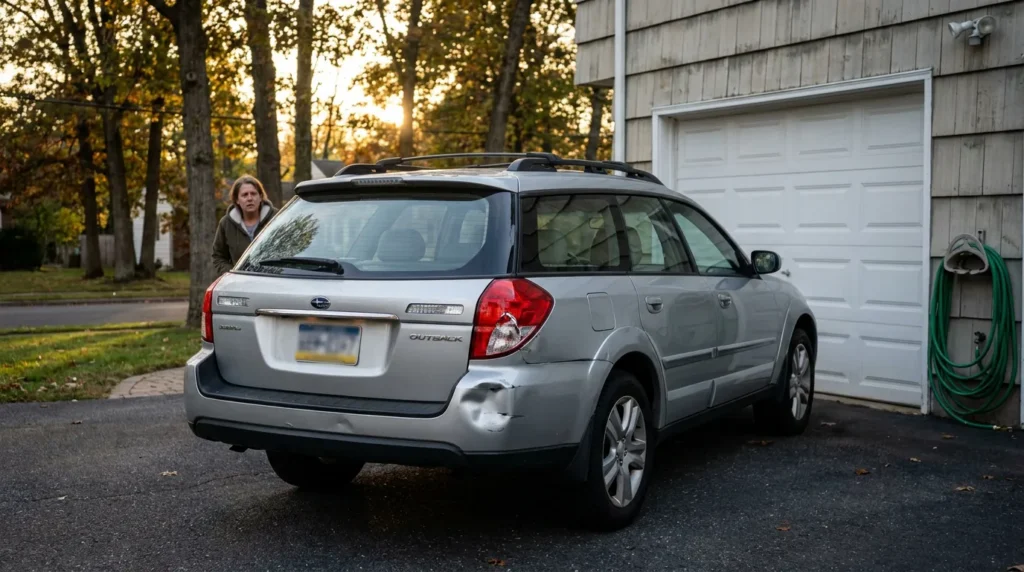

Your First Steps After a Car Accident in Bristol, PA
A car accident can turn an ordinary day in Bristol into a stressful, painful ordeal, and knowing what to do next can make all the difference in protecting your health and legal rights. Whether the collision happened along Route 13, near Bristol Township, or anywhere in Bucks County, your actions following a crash directly affect your ability to recover compensation for medical bills, lost wages, and pain and suffering. According to the Pennsylvania Department of Transportation (PennDOT), 1,127 people lost their lives on Pennsylvania highways in 2024, the second lowest annual total since record keeping began in 1928, while another 66,950 people sustained injuries across 110,765 reportable crashes. Impaired driving alone accounted for 342 of those fatalities, underscoring how quickly a routine trip can turn catastrophic. This guide walks you through critical Pennsylvania car crash steps so you can focus on healing while preserving your claim.
If you were hurt in a recent collision, The Injury Pros can help you understand your options. Call 215-642-2335 or reach out online to schedule a free consultation today.

Why Immediate Action Matters for Bristol Accident Victims
The minutes and hours after a crash set the foundation for any future insurance claim or lawsuit. Pennsylvania is a choice no-fault state, meaning your insurer pays first-party medical benefits regardless of fault, but liability coverage is determined based on negligence. The injured party must prove that someone else’s negligence caused the collision and resulting damages. Delays in seeking medical care, gathering evidence, or reporting the accident create gaps that insurance adjusters use to challenge your claim.
Move to safety first, then call 911 to get an official police report on file. Exchange contact and insurance information with all involved drivers. Use your phone to photograph vehicle damage, skid marks, traffic signals, road conditions, and visible injuries. If witnesses stopped, collect their names and phone numbers. These steps form the evidentiary backbone of the PA accident claim process.
💡 Pro Tip: Save all text messages, voicemails, and emails related to the accident. Digital communications can become valuable evidence if disputed.
Recognizing Injuries That Do Not Always Show Up Right Away
Not every car accident injury announces itself at the scene. Adrenaline and shock can mask pain for hours or days, which is why medical professionals recommend evaluation even when you feel fine. Whiplash is one of the most common car accident injuries and demonstrates why prompt medical attention matters.
Common Whiplash Symptoms to Watch For
Whiplash symptoms typically include neck pain and stiffness, worsening pain with neck movement, loss of range of motion, headaches originating at the skull base, and fatigue. In severe cases, neurological symptoms such as dizziness, blurred vision, ringing in the ears, memory problems, and difficulty concentrating may develop. The Mayo Clinic notes that whiplash symptoms may not appear immediately and can develop within days.
- Neck pain or stiffness that worsens over 24 to 72 hours
- Headaches beginning at the skull base and radiating forward
- Dizziness, blurred vision, or difficulty concentrating
- Fatigue or sleep disturbances not present before the crash
Seeing a doctor promptly creates a medical record linking your symptoms directly to the accident. That connection is essential when establishing causation, a core element you must prove to recover compensation under Pennsylvania law.
💡 Pro Tip: Ask your physician to document that your injuries are consistent with a motor vehicle collision. This strengthens the causation element.
Understanding Pennsylvania Auto Insurance Requirements
Every Pennsylvania driver must carry auto insurance, and understanding minimum coverage levels helps you gauge available compensation after a crash. Driving without insurance in Pennsylvania can result in a three-month suspension of your license and registration, a restoration fee of $94 for the driver’s license and a separate (potentially higher) restoration fee for the vehicle registration as set by PennDOT’s fee schedule, and increasing penalties for subsequent offenses. Alternatively, drivers may pay an optional $500 civil penalty in lieu of the registration suspension, but this option is only available once per 12-month period. The table below outlines the minimum coverage requirements set by state law.
| Coverage Type | Minimum Limit |
|---|---|
| Bodily Injury Liability | $15,000 per person / $30,000 per accident |
| Property Damage Liability | $5,000 per accident |
| Medical Benefits (First-Party) | $5,000 per person |
| Combined Single Limit (Alternative) | $35,000 |
Bodily Injury Liability pays damages when a driver injures someone in a crash, covering medical treatment and rehabilitation. Property Damage Liability covers repairs to another person’s vehicle or property when the insured driver is at fault. Medical Benefits pay your own medical expenses regardless of fault, up to the policy limit.
💡 Pro Tip: Pennsylvania’s minimum limits are often insufficient for serious injuries. If the at-fault driver carries only minimum coverage, explore underinsured motorist (UIM) benefits under your own policy.
Limited Tort vs. Full Tort in Pennsylvania
Your ability to seek compensation for pain and suffering depends on the tort option you selected on your insurance policy. Pennsylvania allows drivers to choose between limited tort and full tort coverage. Under limited tort, you generally cannot recover non-economic damages like pain and suffering unless you sustained a "serious injury", death, serious impairment of body function, or permanent serious disfigurement. Full tort policyholders retain the unrestricted right to pursue all categories of damages. A Bristol auto accident lawyer can review your policy and determine which tort option applies.
Key Deadlines That Can Make or Break Your Claim
Missing a legal deadline in Pennsylvania can permanently bar you from recovering compensation, no matter how strong your case. The statute of limitations for personal injury cases is two years from the accident date under 42 Pa. C.S. § 5524. For wrongful death cases, the two-year clock starts from the date of death.
Exceptions and Shorter Deadlines
Certain circumstances can extend or shorten these deadlines, and courts interpret exceptions narrowly. If the victim was an unemancipated minor at the time of the crash, the statute may be extended until two years after the minor’s 18th birthday. If the negligent party leaves Pennsylvania for a continuous period of four months or more after the accident, tolling provisions under 42 Pa. C.S. § 5532 may pause the limitations clock.
Claims against a Pennsylvania government entity carry a much shorter deadline. Under 42 Pa. C.S. § 5522, you generally have only six months from the injury date to send written notice of your intent to file a claim. Failing to meet this notice requirement can eliminate your right to pursue the case.
💡 Pro Tip: Do not assume you have plenty of time. Evidence deteriorates, witnesses forget details, and surveillance footage gets overwritten. Starting early gives your attorney the best chance to build a strong case.
How a Bristol Auto Accident Lawyer Protects Your Rights
Hiring an attorney early helps level the playing field against insurance companies whose adjusters are trained to minimize payouts. After a car accident in Bristol PA, you may receive a quick settlement offer from the other driver’s insurer. These early offers frequently undervalue claims because they arrive before the full extent of your injuries is known. An experienced Bucks County accident lawyer can evaluate your claim’s true value by reviewing medical records, consulting treatment providers, and calculating both current and future losses.
Your attorney also handles communications with insurance companies so you do not inadvertently weaken your position. Adjusters may request recorded statements or broad medical authorizations that expose unrelated health history. Having legal representation ensures your rights are protected throughout the negotiation or litigation process. Before searching online for help, consider why it pays to consult a lawyer who understands local courts and Pennsylvania personal injury law.
💡 Pro Tip: Keep a daily journal documenting pain levels, limitations on daily activities, emotional state, and missed work. This contemporaneous record serves as powerful evidence of non-economic damages.
Frequently Asked Questions
1. How long do I have to file a car accident claim in Pennsylvania?
What is the statute of limitations for PA auto accident cases?
The general statute of limitations for personal injury cases in Pennsylvania is two years from the accident date under 42 Pa. C.S. § 5524. Wrongful death claims also carry a two-year deadline, starting from the date of death. Claims against government entities require written notice within six months under 42 Pa. C.S. § 5522. Because courts interpret tolling exceptions narrowly, contact an attorney promptly.
2. Should I see a doctor even if I feel fine after the crash?
Why delayed symptoms matter for your claim
Yes, seeking medical evaluation promptly is important even without obvious symptoms. Whiplash and other soft-tissue injuries may not produce noticeable pain for days. A medical record created shortly after the accident establishes a critical link between the collision and your injuries, which insurers and courts require when evaluating causation.
3. What are Pennsylvania’s minimum auto insurance requirements?
Coverage every PA driver must carry
Pennsylvania requires Bodily Injury Liability coverage of at least $15,000 per person and $30,000 per accident, Property Damage Liability of $5,000, and first-party Medical Benefits of $5,000 per person. Some insurers offer a combined single limit of $35,000 as an alternative. These minimum amounts often fall short in serious injury cases.
4. What is the difference between limited tort and full tort in Pennsylvania?
How your policy choice affects compensation
Limited tort restricts your ability to recover pain and suffering damages unless your injuries meet the "serious injury" threshold, death, serious impairment of body function, or permanent serious disfigurement. Full tort preserves your right to pursue all categories of damages without that restriction. Your tort election appears on your insurance declarations page.
5. Can I still recover compensation if the other driver was uninsured?
Options when the at-fault driver has no coverage
You may still have options through your own insurance policy. Pennsylvania requires insurers to offer uninsured and underinsured motorist (UM/UIM) coverage with every auto policy, though drivers may reject it in writing. If you did not waive this coverage, your UM/UIM benefits can step in when the at-fault party lacks adequate insurance.
Taking Control of Your Recovery After a Bristol Township Car Accident
A car accident disrupts your life, but taking informed, timely action puts you in the strongest position to recover both physically and financially. From seeking immediate medical care and documenting the scene to understanding your insurance coverage and meeting critical legal deadlines, each step matters. Pennsylvania law provides a framework for injured parties to pursue compensation, but the process demands attention to detail and proper evidence preservation.
The team at The Injury Pros is ready to help Bristol residents navigate the auto accident claim process with confidence. Call 215-642-2335 or contact us today for a free consultation to discuss your case and learn what options may be available to you.